
Fall Planting Guide for Asheville NC: What to Plant & When
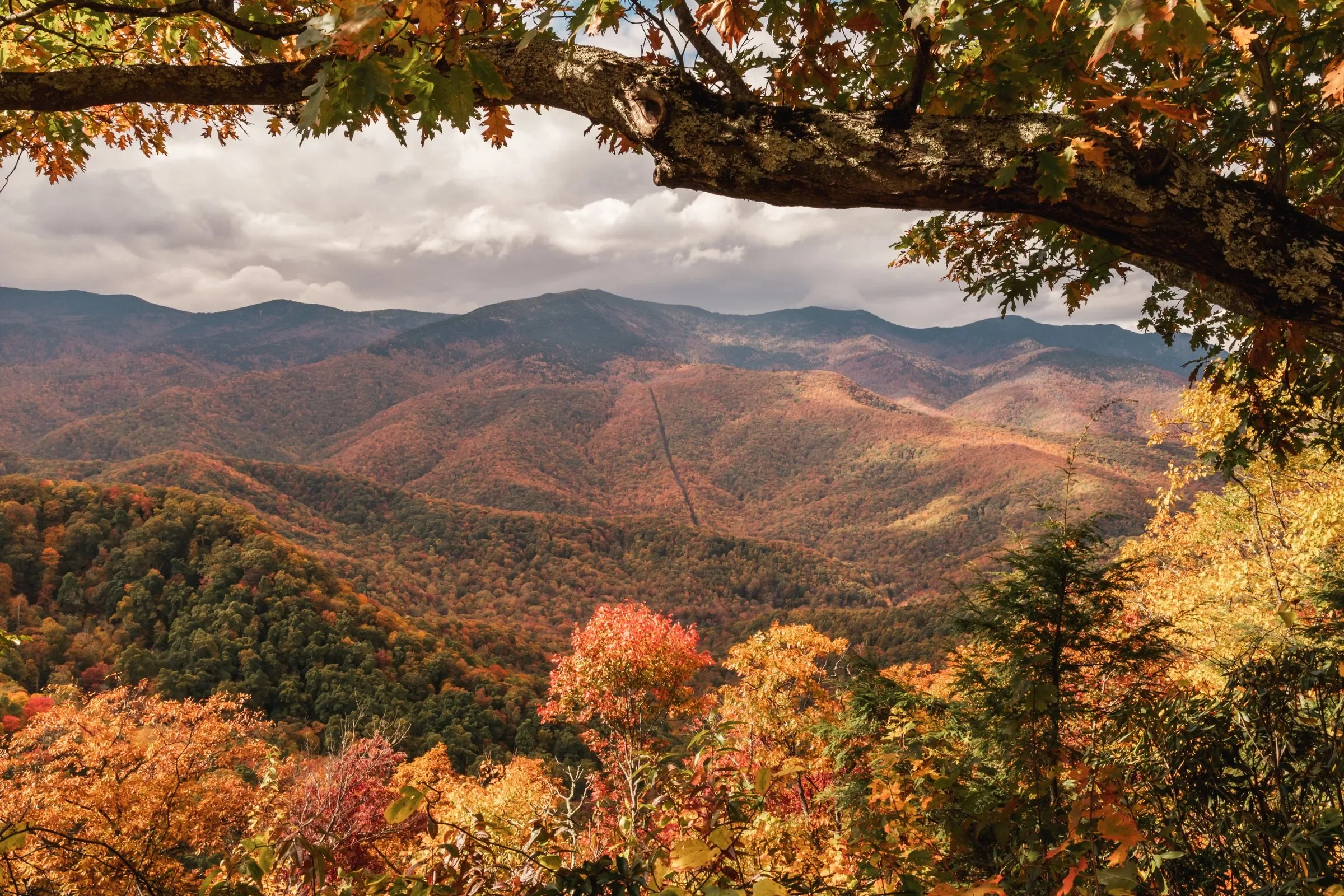
Fall is the best planting season in Western North Carolina, better than spring. From mid September until the ground starts to freeze in late November, the soil is still warm from summer, the air is cool, the fall rains do most of the watering, and everything you plant spends the next six months growing roots instead of fighting heat. A tree planted in October in Asheville goes into its first summer with a root system a spring-planted tree will not have until the following year.
The catch is the calendar. Asheville sits in USDA Zones 7a to 7b, and the towns above it, Black Mountain, Weaverville, the north-facing coves, run a full zone colder. Our first freeze usually lands in the second half of October, weeks before the Piedmont and a month before the coast. That gives mountain gardeners a shorter fall window than the rest of the state, and it means the order you plant things in matters.
Here is how we time fall planting on WNC ground, what goes in when, and what to leave for spring.
Why Fall Beats Spring in the Mountains
Roots grow whenever the soil is above about 40 degrees, and Asheville soil holds warmth well into November even after the air turns cold. Plant in fall and the roots keep working for two months after the top of the plant has gone dormant. Plant in spring and the roots get a few weeks before the plant has to support new leaves, flowers and a July heat wave all at once.
Fall also solves the water problem. Newly planted trees and shrubs need consistent moisture for their first season, and in a mountain spring that means hand watering through the driest weeks of summer. In fall the rain does it, the cool air slows evaporation, and by the time the dry spells arrive next year the plant is established.
The one thing fall does not forgive is lateness. Every plant needs roughly six weeks in the ground before a hard freeze to anchor itself. Miss that and the freeze-thaw cycles that start in November can heave a shallow root ball right out of the soil.
The Asheville Fall Planting Calendar
| When | What to plant | What to skip |
|---|---|---|
| Early to mid September | Cool-season lawn seeding (tall fescue), perennials, evergreen shrubs | Anything tender or marginal for the zone |
| Late September to mid October | Deciduous trees and shrubs (the main window), perennials, cool-season annuals like pansies and violas | New evergreens after mid October; they need time to root before wind and cold |
| Late October to mid November | Spring bulbs (daffodils, alliums), bare-root and container trees while soil stays workable, mulching everything planted this fall | Perennials and anything with a small root ball |
| After mid November | Nothing new. Water what is in, mulch, and wait for spring | Everything |
Above about 2,500 feet, or in a cove that catches cold air at night, shift the whole calendar two weeks earlier.
12 Plants That Belong in the Ground This Fall in Asheville
This is not a repeat of our list of the 15 best native plants for Asheville . Those all do well planted in fall too. These are twelve more, chosen because they establish especially well in a mountain autumn, hold slopes, shrug off deer, or give the yard something to look at in the months when little else does.
1. Red Maple (Acer rubrum)
The mountain shade tree. Fall planting gives it a full root season before its first summer, and it tolerates the wet clay that kills many other trees. Plant it away from patios and walls; the roots are shallow and wide.
2. White Oak (Quercus alba)
Slow, long-lived, and the single most valuable tree for wildlife in the Southern Appalachians. Oaks resent transplanting, so buy small, plant in October, and let it take its time.
3. Fringe Tree (Chionanthus virginicus)
A small native tree with white, fragrant flowers in May and a size that fits a mountain lot. Handles slopes and part shade. Plant by mid October.
4. Mountain Laurel (Kalmia latifolia)
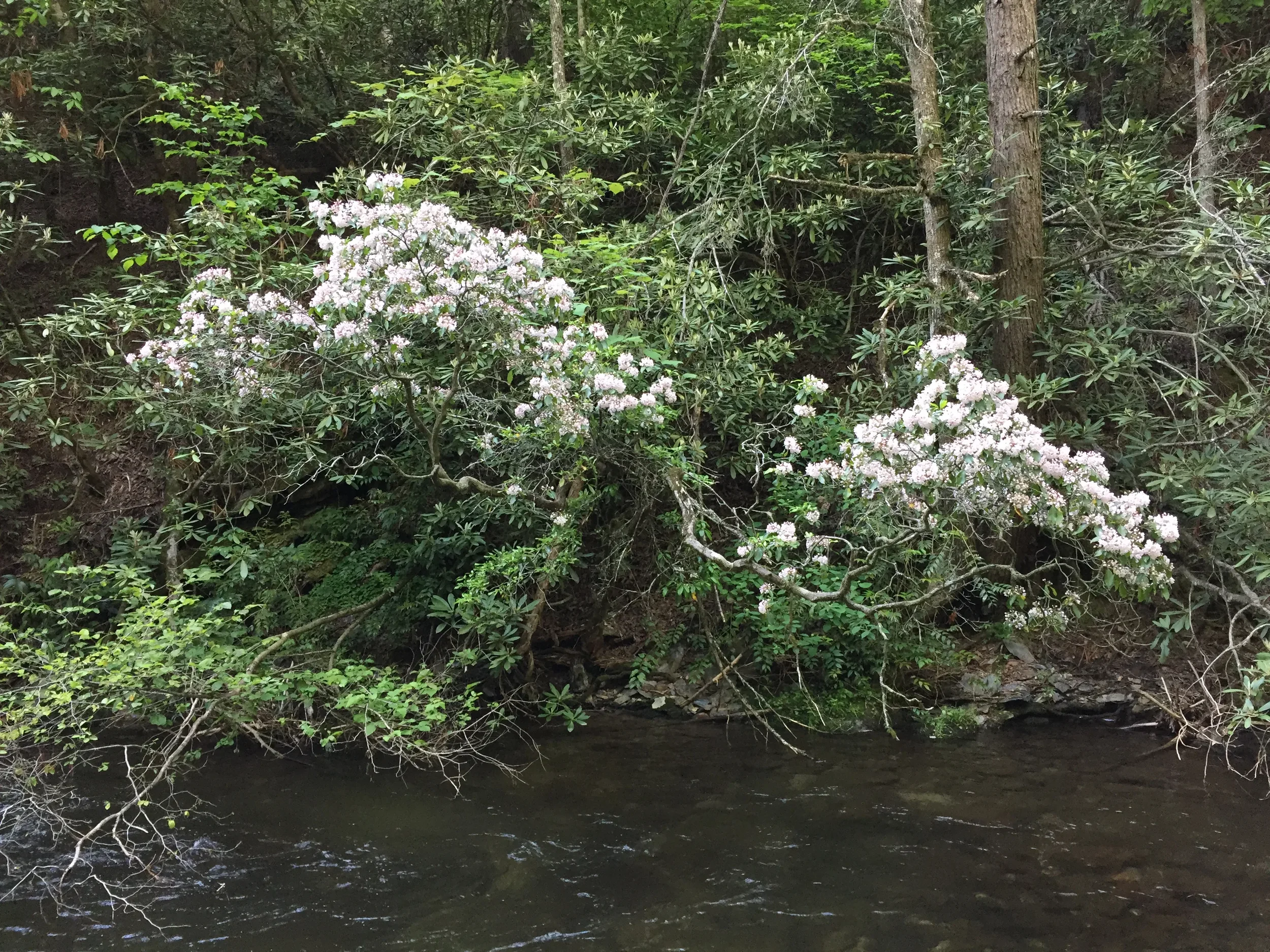
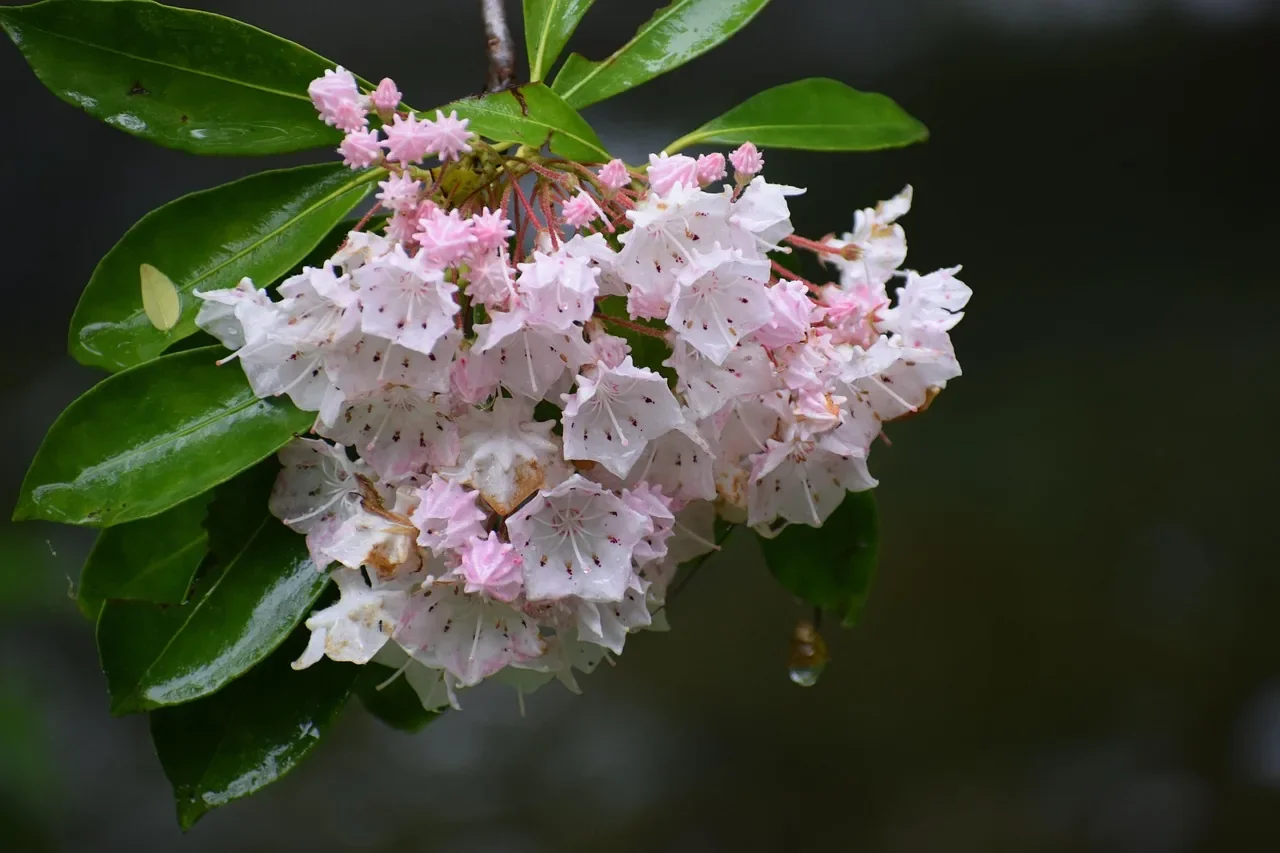
The evergreen that already grows on every ridge around you. Wants acidic, well-drained soil and afternoon shade. As a broadleaf evergreen, get it in by the end of September so it roots before the wind picks up.
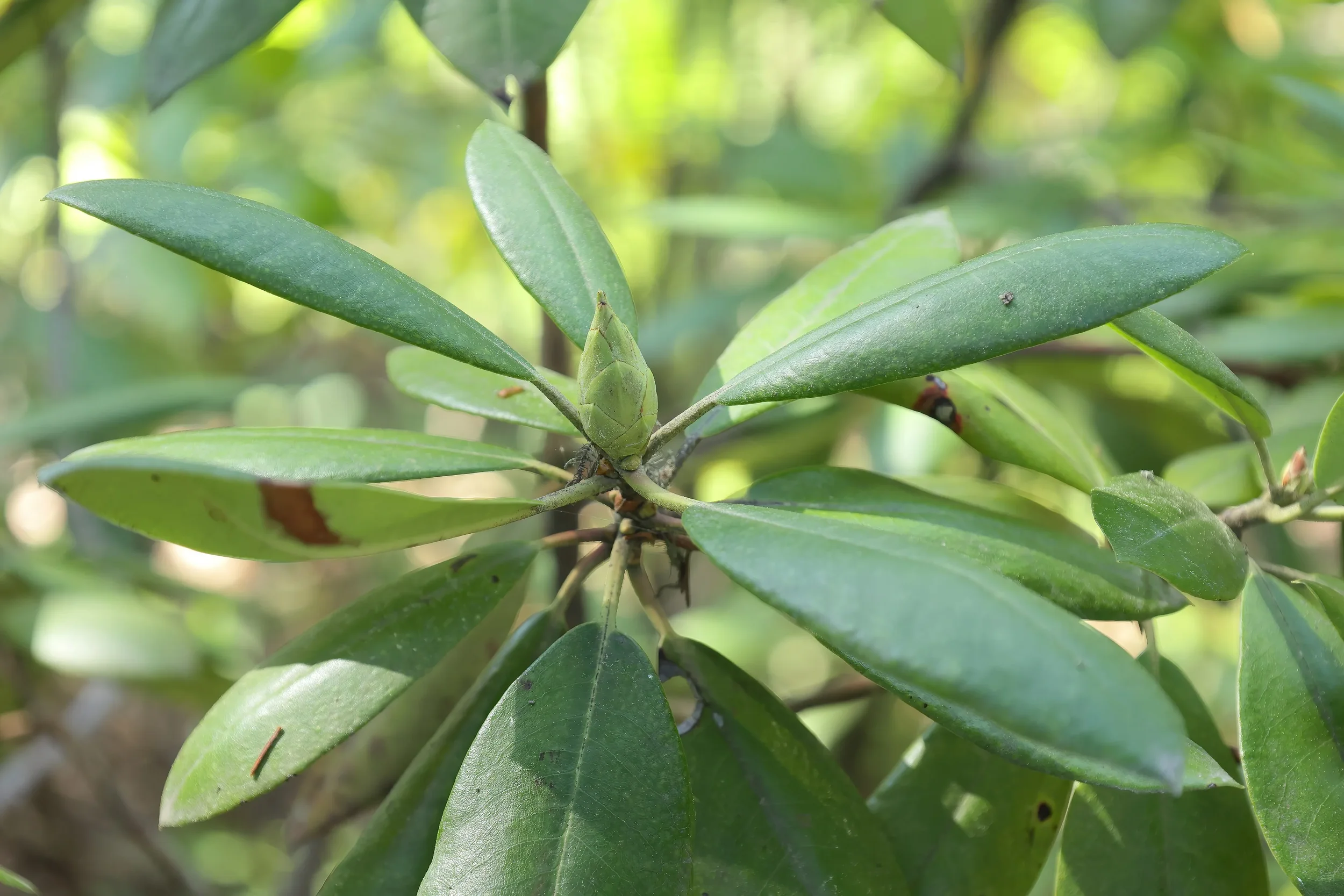
5. Catawba Rhododendron (Rhododendron catawbiense)
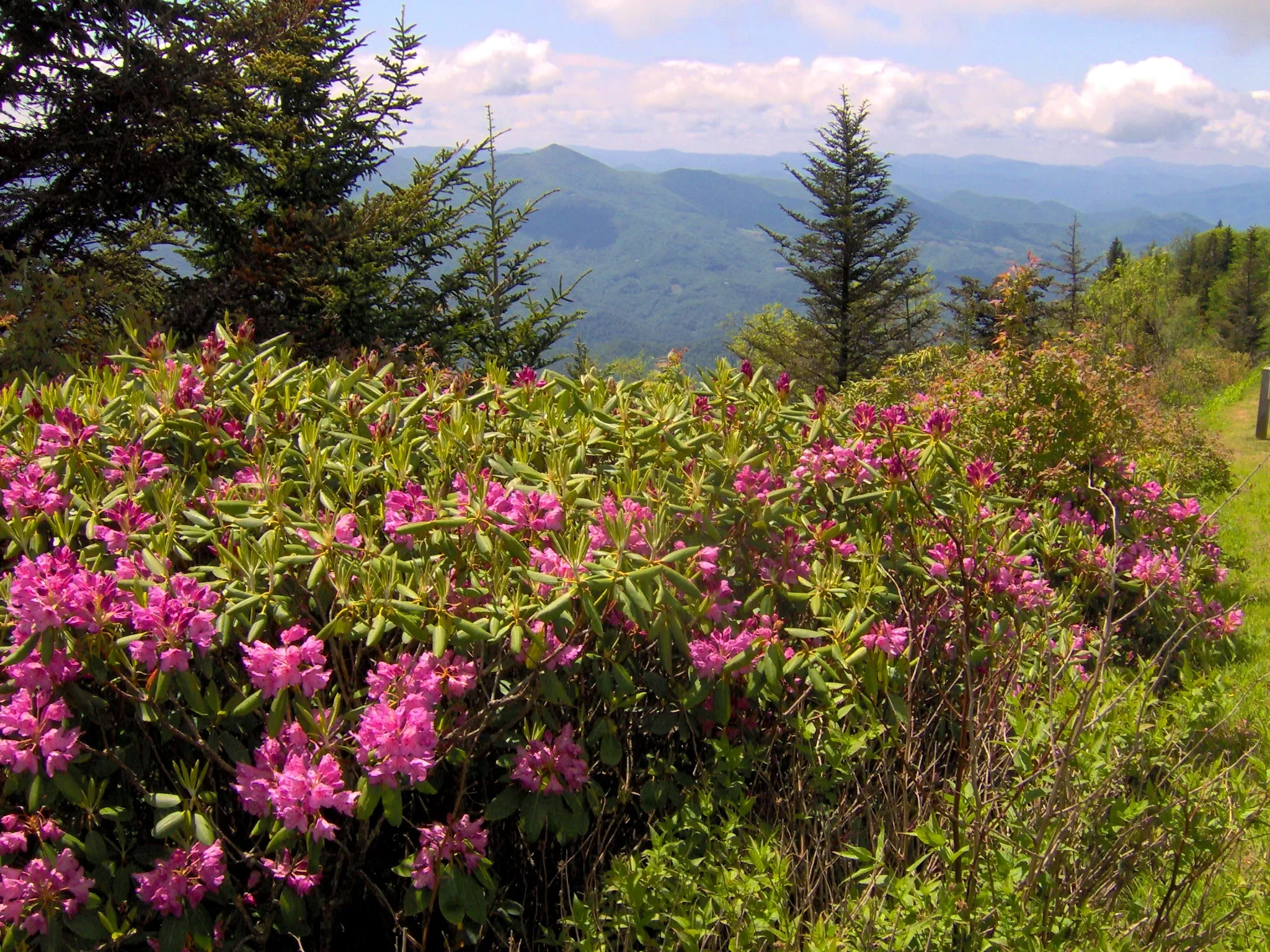
The Blue Ridge rhododendron, hardier than the big-leaf hybrids sold for the Piedmont. Same rule as mountain laurel: early fall, acidic soil, never in a low spot that holds water.
6. Spicebush (Lindera benzoin)
A native understory shrub for wet, shady corners where nothing else works. Yellow flowers before the leaves in March, and it is a host plant for the spicebush swallowtail. Deer leave it alone.
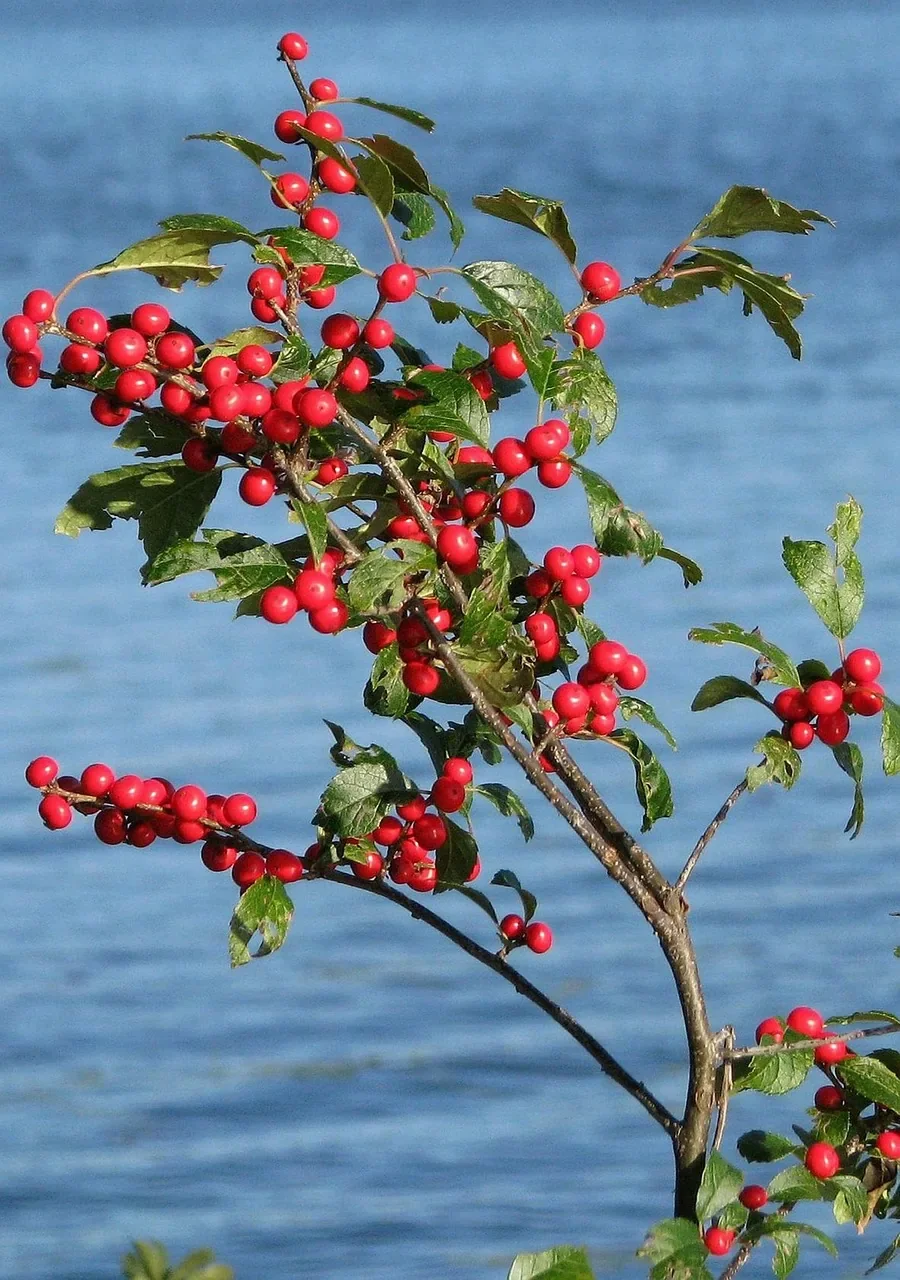
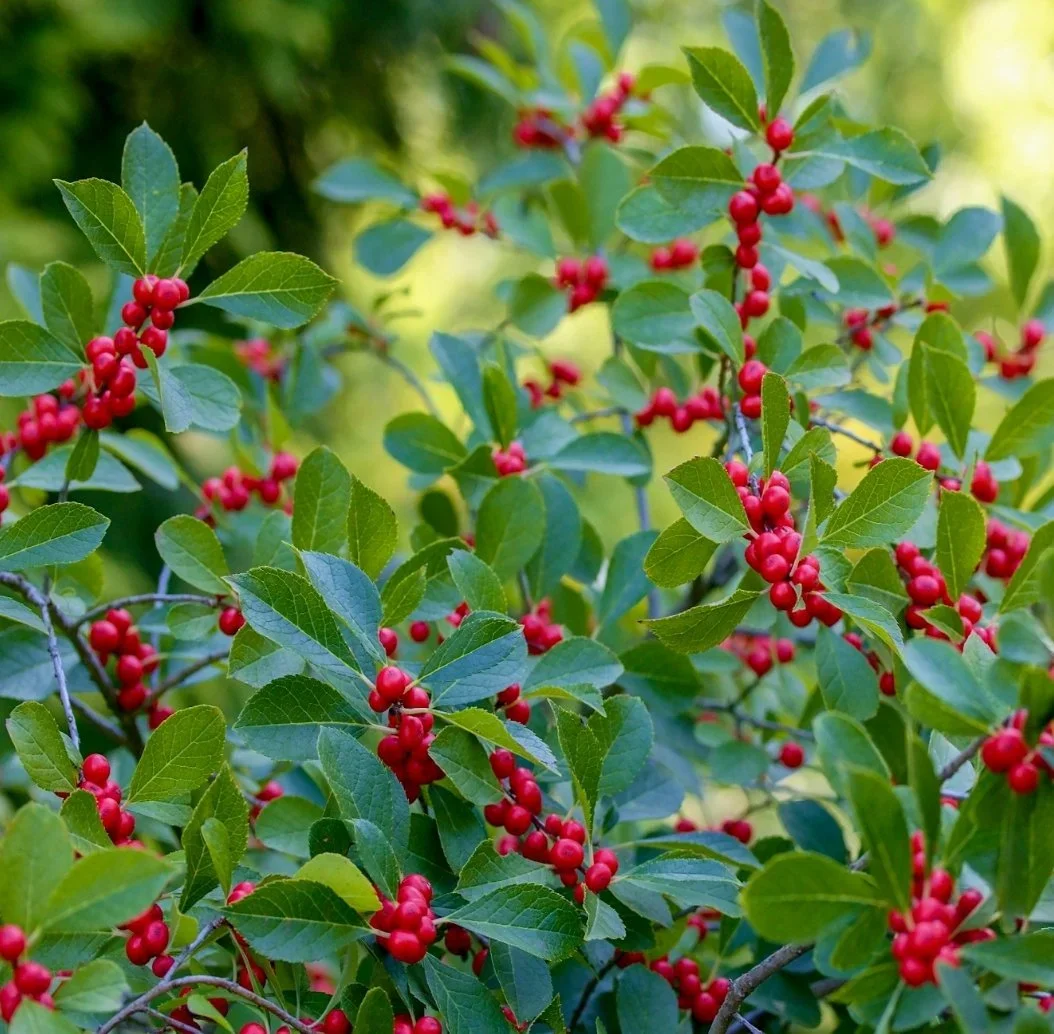
7. Winterberry Holly (Ilex verticillata)
Deciduous holly that drops its leaves and keeps its red berries through December. Loves damp ground, so it is a good choice at the bottom of a slope or beside a swale. You need one male plant for every few females to get berries.
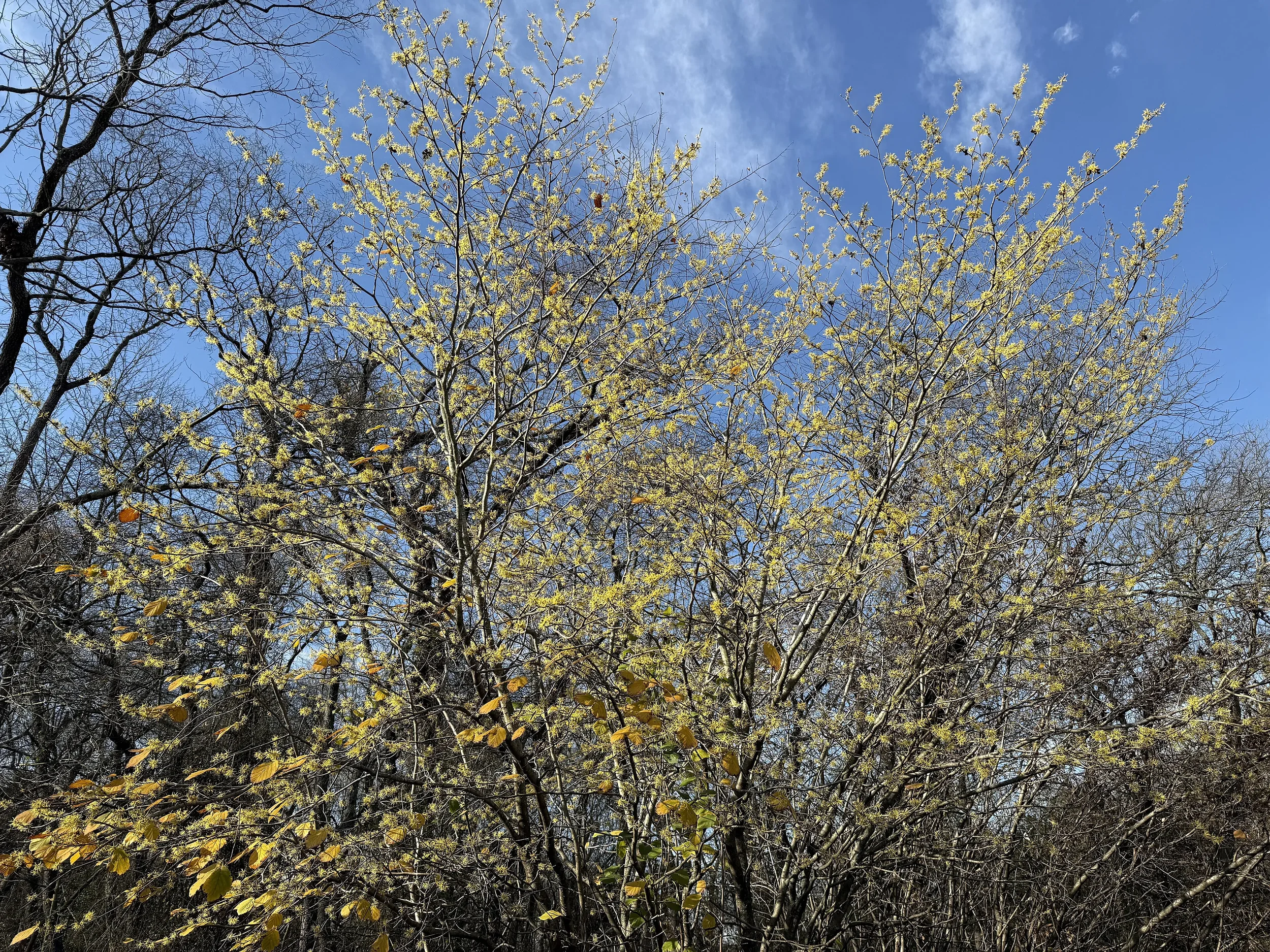
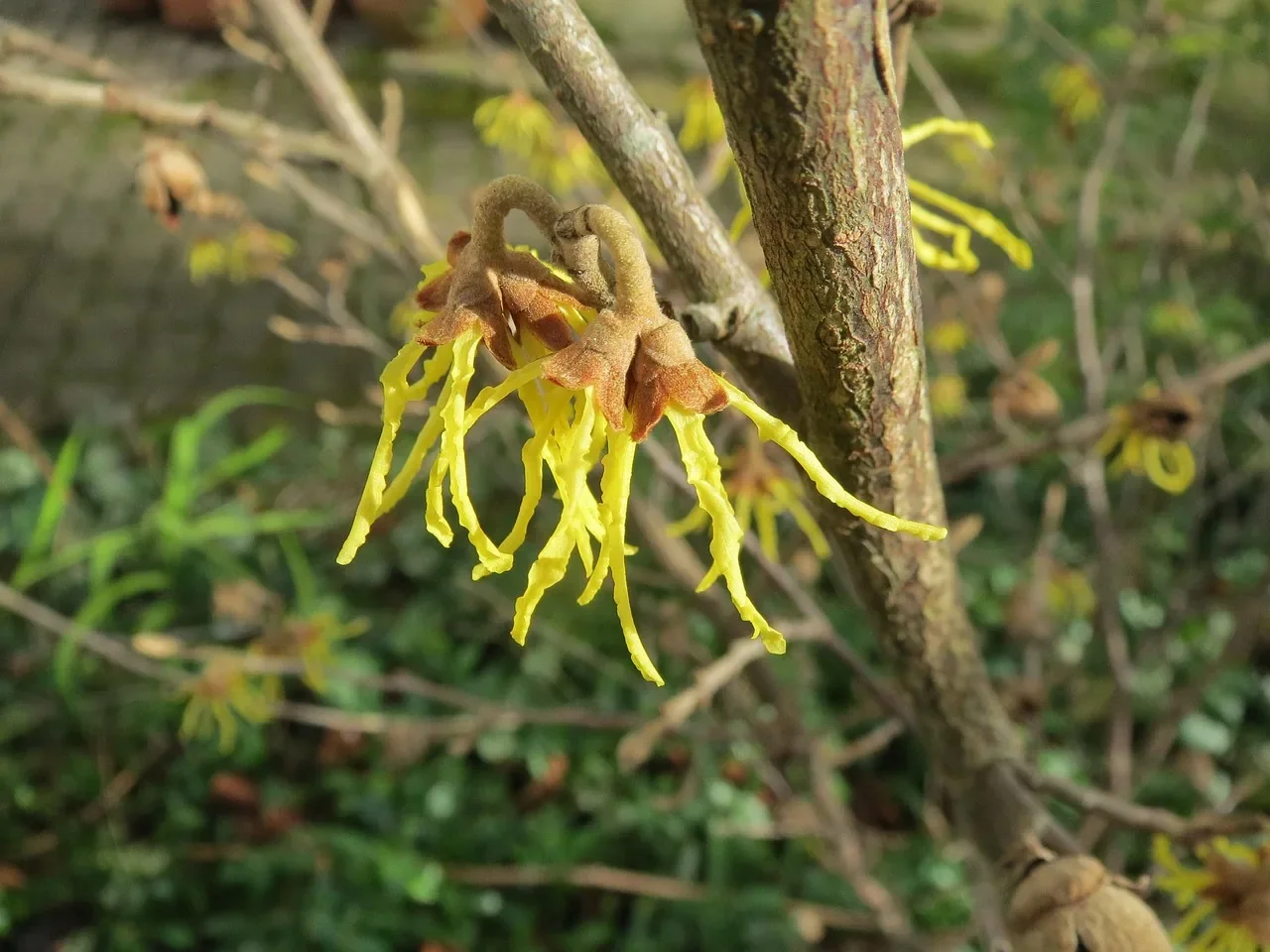
8. Witch Hazel (Hamamelis virginiana)
The last thing to bloom in the mountains, with ribbon-like yellow flowers in November after the leaves drop. Tough, slope-tolerant, and happy in the edge of the woods.
9. Virginia Sweetspire (Itea virginica)
A spreading native shrub that holds banks and stream edges, with fragrant summer flowers and red fall color. One of our first picks for stabilizing a slope after drainage work.
10. New England Aster (Symphyotrichum novae-angliae)
Plant it in September while it is blooming and you get the show this year and a stronger clump next year. Pollinator magnet, deer-resistant, fine on a sunny slope.
11. Hellebore (Helleborus x hybridus)
Not a native, but the best answer to a shady, dry spot under trees. Evergreen, blooms in February when nothing else does, and deer will not touch it. Plant by mid October.
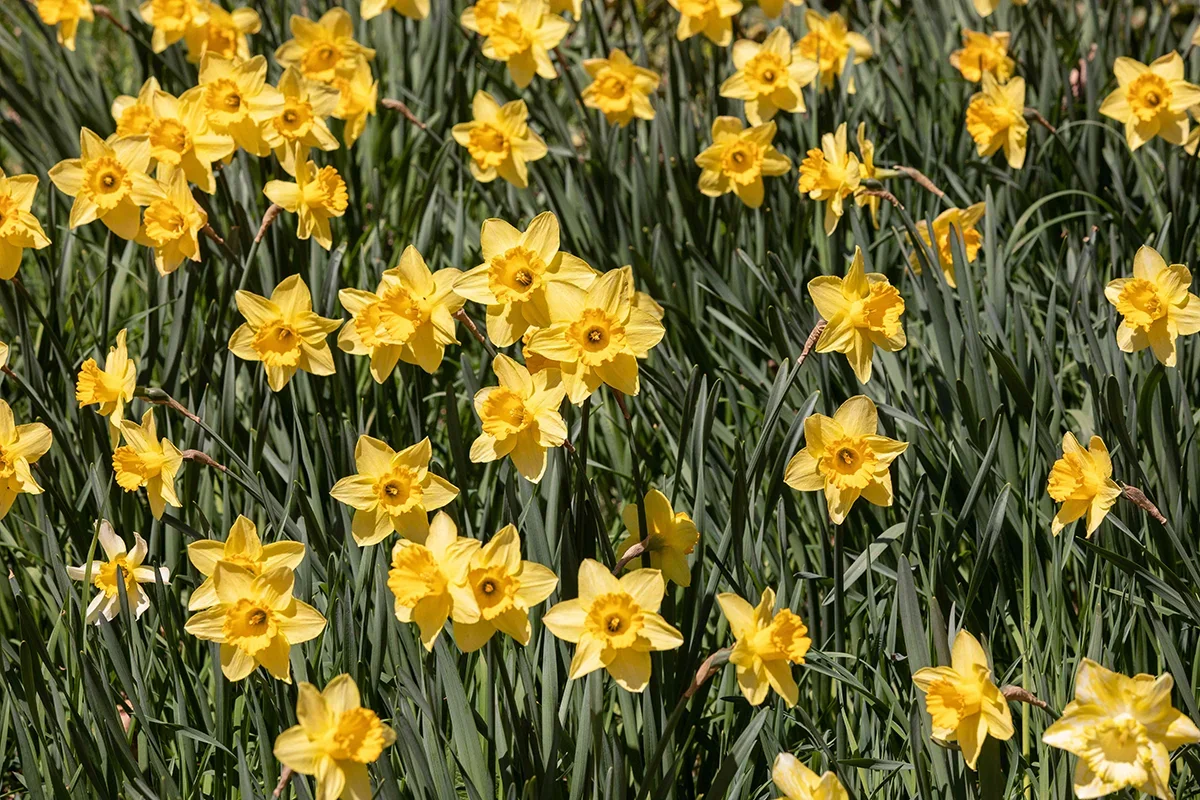
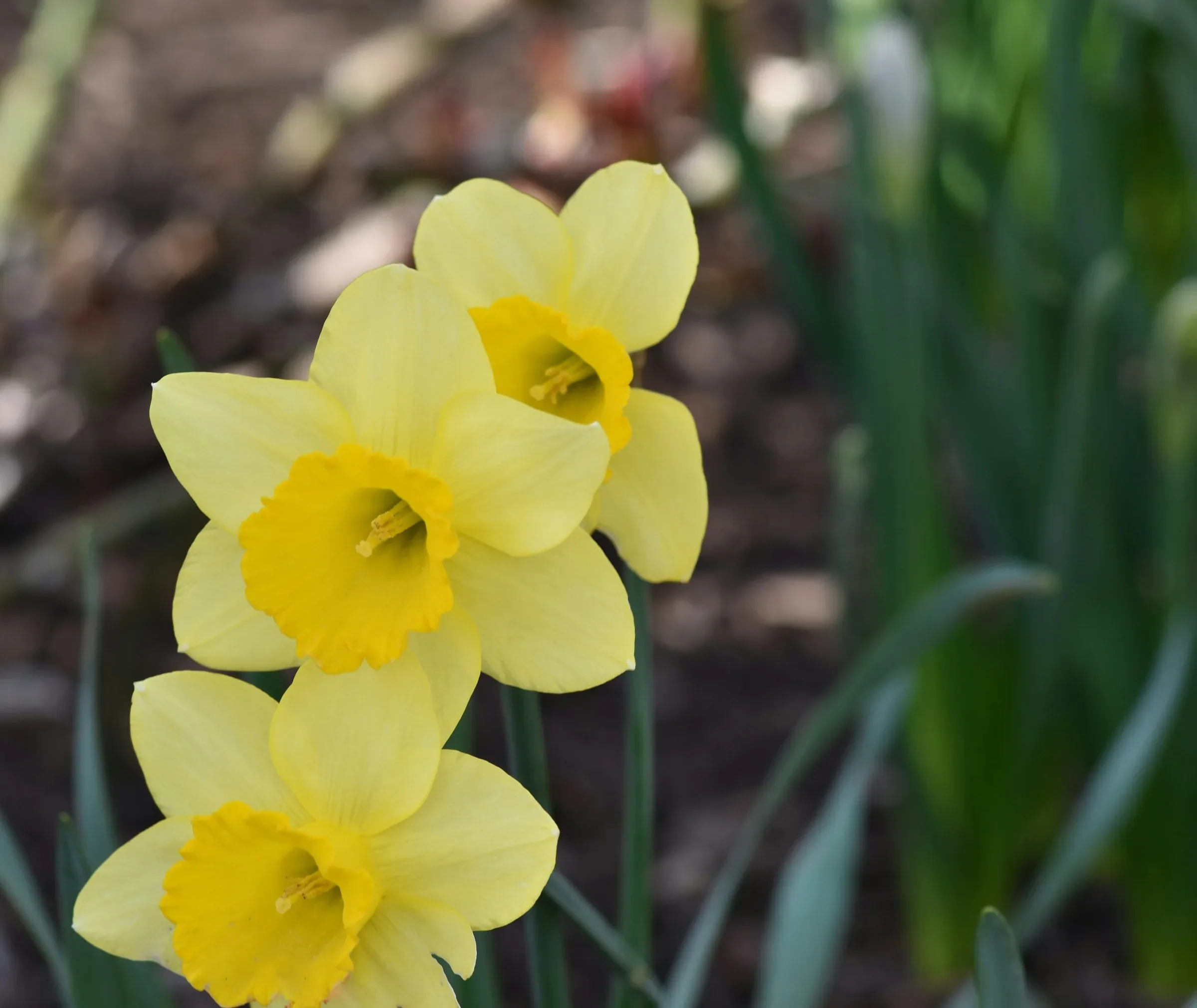
12. Daffodils (Narcissus)
The one bulb that thrives in the mountains with zero effort. Deer and voles both ignore them. Plant in late October or November, after the soil has cooled, six inches deep on a slope where they will not sit in water.
Planting on a Slope: How We Do It
Most Asheville yards have a grade, and planting on a slope is different from planting on flat ground. Three things matter:
Set the plant level with the uphill side of the hole, not the downhill side. On a grade the downhill edge is lower, and if you match it the root ball ends up exposed on the uphill side by spring.
Build a small berm on the downhill edge of each planting hole. It holds water long enough to soak in instead of running past. On steep ground we terrace the planting pocket.
Drain before you plant. Roots hold soil, but they cannot stop a sheet of water, and a new planting below an active runoff path will be washed out by the first big storm. If water is moving across your slope, see our Asheville drainage guide [link: /blog/drainage-upgrade-asheville-slopes-erosion-french-drains] first, then plant into the drained ground.
Pro Tips for Fall Planting in Western NC
Water new plantings through November even after the irrigation system is shut off. Fall rain usually does the job, but a dry October is common in Asheville and a new tree needs a slow soak once a week until the ground freezes. If you have irrigation, our guide to winterizing your system in North Carolina [link: /blog/how-to-winterize-your-irrigation-system-in-north-carolina-the-2026-homeowners-guide] explains the timing; the mountain window is mid October to early November.
Mulch two to three inches deep after planting, but keep it off the trunk. On a slope, mulch pulled up against the stem hides the root flare and traps water where the freeze can split bark.
Skip fertilizer on woody plants in fall. Nitrogen pushes soft growth that the first freeze kills. Compost worked into the backfill is all a fall planting needs.
Amend the clay, but do not replace it. Dig the hole two or three times as wide as the root ball and mix compost into the native soil. A hole filled with bagged topsoil in heavy clay becomes a bucket that holds water and drowns the roots.
Stake young trees on ridges and open slopes where wind is constant, loosely, and remove the stakes by next fall.
Over seed fescue lawns by the end of September. Western NC lawns are cool-season tall fescue, and the mountain seeding window closes weeks before the rest of the state's.
What to Hold Until Spring
Some plants go in better after the last freeze, which in Asheville is usually mid to late April:
Crape myrtle, fig and anything else rated only marginally hardy for Zone 7a
Warm-season grasses (zoysia, bermuda) and sod of either
Tender perennials sold as annuals in the mountains: lantana, most salvias, tropical hibiscus
Bare-root roses
Broadleaf evergreens if you missed the early-October window; a late-planted laurel or holly loses more water to winter wind than its roots can replace
Frequently Asked Questions
When is the last day to plant trees in Asheville in the fall?
Container trees can go in as long as the soil is workable, which is usually through mid November in Asheville proper and early November at elevation. The practical cutoff is six weeks before the ground freezes, so the earlier in the window, the better the root growth before winter.
Is it too late to plant perennials in October in the mountains?
Early October is fine. By the second half of the month a small perennial does not have time to anchor before the freeze-thaw cycles start heaving it out. If you are past mid October, hold perennials for spring and plant bulbs instead.
Do I need to water fall plantings if it rains?
Check the soil rather than the calendar. Fall rain in Asheville is unreliable; some Octobers are the driest month of the year. A new tree or shrub needs a slow, deep soak about once a week for its first six weeks unless the rain has done it for you.
Which fall plantings are deer-resistant in Western NC?
From this list: spicebush, hellebore, daffodils, witch hazel, mountain laurel and New England aster are rarely browsed. Nothing is deer-proof in a hard winter, but those are the safest bets on a wooded WNC lot.
Want a Fall Planting Plan for Your Asheville Property?
Thorpe Landscapes of Asheville plants, grades and drains Western NC slopes, with an ISA Certified Arborist on staff for tree selection and placement. If you want the right plants in the right spots before the first freeze, book a free on-site consultation and we will walk the property with you.