
The Best Time to Start a Hardscaping Project in North Carolina
Are you thinking about a new patio, retaining wall, or walkway? The best time to start a hardscaping project in North Carolina isn’t when the weather turns warm, it’s actually right now, late fall through winter. Planning your project now means you’ll beat the spring rush, secure materials, and enjoy your new outdoor space right when the weather is perfect.
Below is a simple guide to timing, what to plan first, and how to move from idea to design to build without surprises.
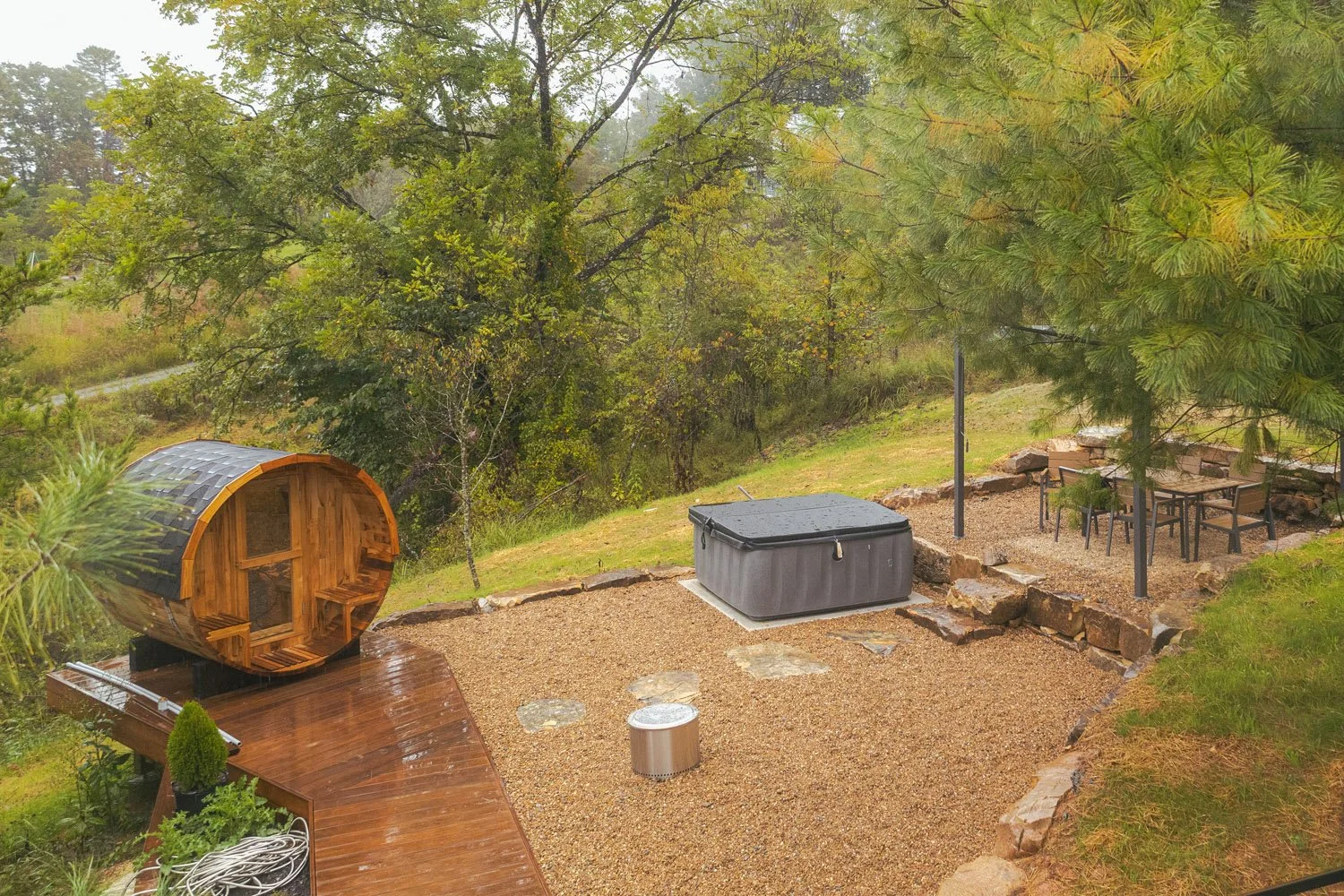
Why are Fall and Winter the Best Seasons for Hardscaping?
1) Easier scheduling and faster starts
Spring and early summer are the busiest months for outdoor projects. Crews get booked out weeks (sometimes months) in advance, which can push your finish date well into peak season. Starting in late fall or winter gets you on the calendar sooner, with smoother timelines.
2) Fewer weather delays overall
North Carolina winters are milder than up north. While we watch the forecasts closely, most planning, design work, and pre-construction steps move forward without issue. That means your project can break ground earlier and finish before the heat sets in!
3) Better materials are available (and fewer backorders)
Pavers, block, and natural stone often go on backorder in Spring. Lining up selections and orders earlier keeps your project on schedule and avoids frustrating delays.
4) Ready by spring, you’ll be outside when the weathers perfect
When you plan from November to February, construction can be organized so you’re lighting the fire pit and enjoying dinner on the patio as soon as the weather turns.
What Types of Hardscaping Projects are Perfect for Fall?
Use the off-season to plan and schedule these types of projects:
Paver patios & walkways
Great for entertaining and daily use. Design choices (layout, borders, patterns) are easier to finalize without seasonal rush.Retaining walls & steps
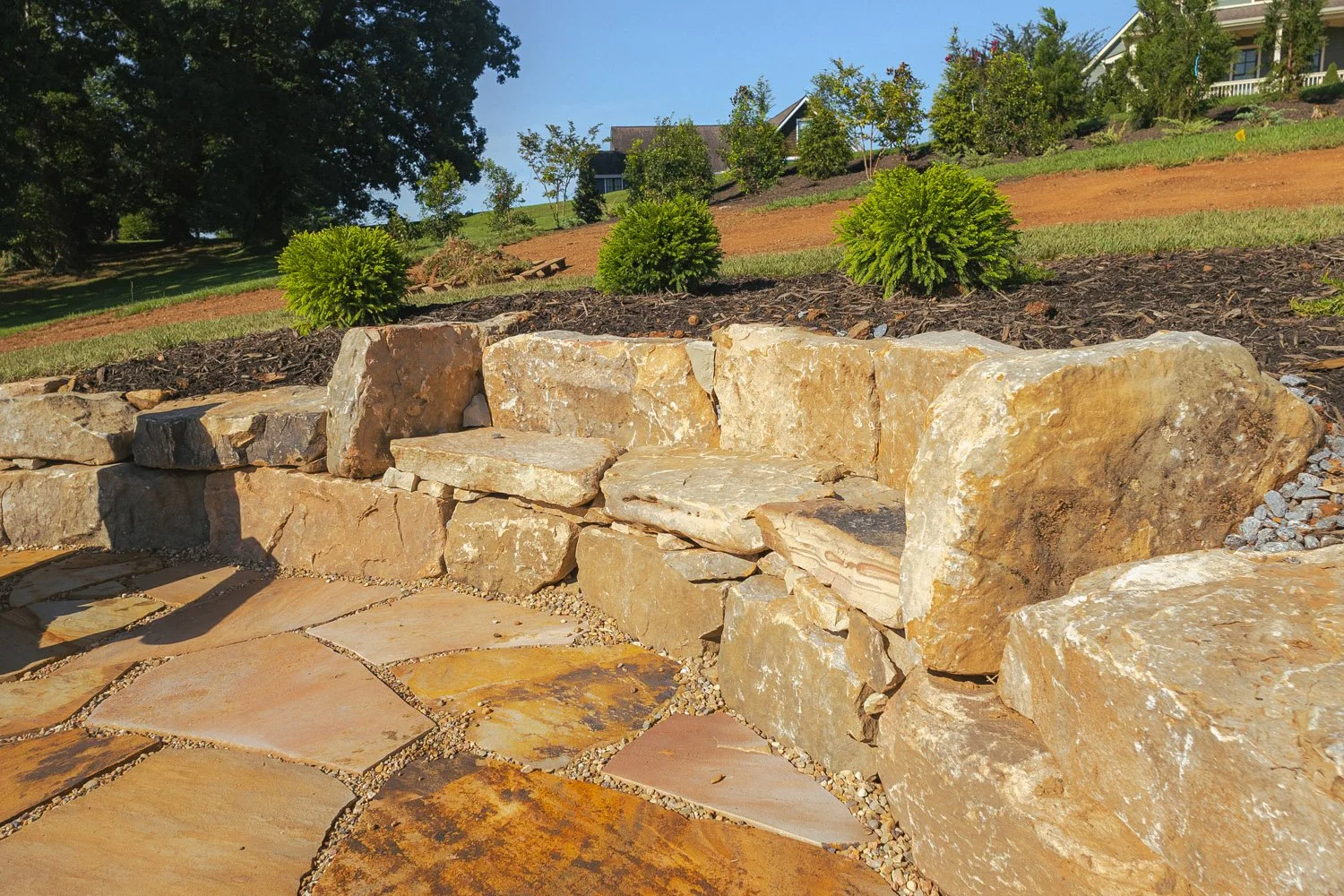
Functional and beautiful, especially if you have grade changes or erosion. Early planning helps with engineering, permitting, and material selection.Outdoor kitchens & fire features
Gas lines, electrical, and appliance choices require coordination. Getting these decisions made now keeps construction tight when crews mobilize.Driveway extensions & front entries
Improve parking and curb appeal without interrupting peak season plans.Drainage & grading fixes (French drains, swales, downspout solutions)
Solving drainage issues before spring rain protects your yard, and your new hardscape. Check out our Drainage Services
How Long Do Hardscaping Projects Really Take?
Every property is different, but here’s a realistic planning-to-completion window:
| Project Type | Typical Duration* |
|---|---|
| Small walkway or stoop | 1 week |
| Medium patio with border | 1–2 weeks |
| Retaining wall (single tier) | 1–2 weeks |
| Patio + fire pit / seat wall | 2–3 weeks |
| Comprehensive backyard (patio + wall + steps + lighting) | 3–7+ weeks |
Why this matters: If you start planning in November, your design and materials can be locked in by January, installation can fit in late winter or early spring, and you’re enjoying the space by the time cookout season begins.
What Happens If You Wait Until Spring?
Longer lead times: Your start date might get moved out.
Material delays: Popular pavers, blocks, and stone can be on back-order.
Weather pinch: Spring storms add stop-and-go days that stack up.
Lost season: You might not get to use the space until the heat of midsummer.
Planning ahead removes any bottlenecks and gives you the best way to enjoy your new hardscapes all summer long.
When You Shouldn’t Start a Hardscaping Project
We’re always honest about timing. Press pause if:
HOA approvals aren’t in progress
Submit early. We can help with drawings and specs so you get a quick “yes.”You’re mid-renovation and access is limited
If the house is being remodeled and access is tight, sequencing matters. We’ll help you slot hardscaping in at the right moment.The site is waterlogged after severe storms
We may wait for better ground conditions to ensure a solid base and long-term performance.
These aren’t deal-breakers, just signals to plan thoroughly so the build goes right the first time.
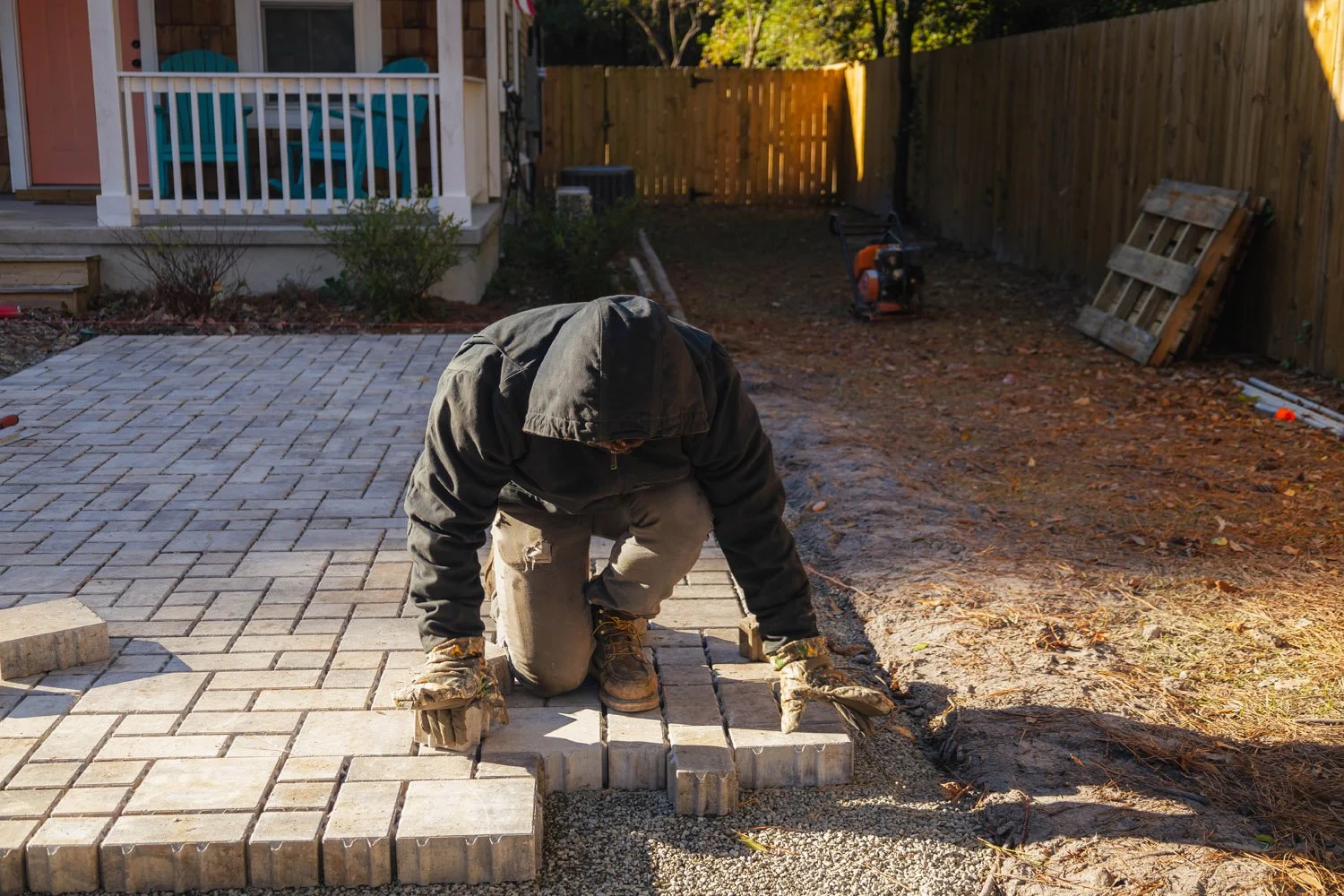
The Simple Step-by-Step: From Idea to Install
Site visit & goals
We’ll walk the space together, understand your goals of the project (family dinners, safer steps for kids, a bit more parking) and chat through a budget that feels comfortable.Concept & selections
We’ll sketch simple layout options, bring materials you can see and touch, and dial in the little things (borders, steps, lighting, drainage) so it looks great and works every day.Proposal & schedule
You’ll get a plan with scope, timeline, and investment. Give us the thumbs-up, and we’ll order materials and save your spot on the calendar.Build & walk-through
We keep the site tidy, send friendly progress updates (photos if you want), and do a final walk-through together to make sure it’s exactly what you pictured.
Ready to start? Contact Us to get on the schedule.
Pro Tips to Get the Most from Your Project
Think about furniture and traffic flow before we lock in dimensions.
Choose lighting & electrical early (it’s easier to integrate now than after).
Plan drainage once, fixing it first protects everything you build on top.
Keep a small contingency for smart upgrades you’ll want once the design takes shape.
FAQ: Hardscaping Timing & Planning in NC
Q: Can you install pavers in winter?
A: Yes, installation happens year-round in North Carolina with proper planning. We monitor temps, protect the base, and schedule work windows around weather. The design and procurement steps are perfect winter tasks, so you’re not waiting in spring.
Q: How long does a hardscaping project take?
A: Simple walkways can be done in a week or two. Patios with borders and a fire pit might take 3–4 weeks. Larger projects with walls, steps, and lighting can span 4–8+ weeks including design and material coordination.
Q: Do retaining walls require drainage?
A: Absolutely. Proper base prep, geogrid (when needed), and drainage are what make a wall last. Skipping those details leads to movement and failures. Thorpe can handle all your drainage needs, check out our drainage services.
Q: Is spring a bad time to start a hardscape project?
A: Spring is perfectly fine, but it starts to get busy. Expect longer waits and more material back orders. If you want your space ready by late spring or early summer, planning in late fall/winter is the best move.
Q: Do you provide designs or renderings?
A: Yes. We create landscape plans as well as 3D visuals (upon request).