
12 Plants That Won't Die at the Beach (Wilmington Coastal Landscaping Guide)
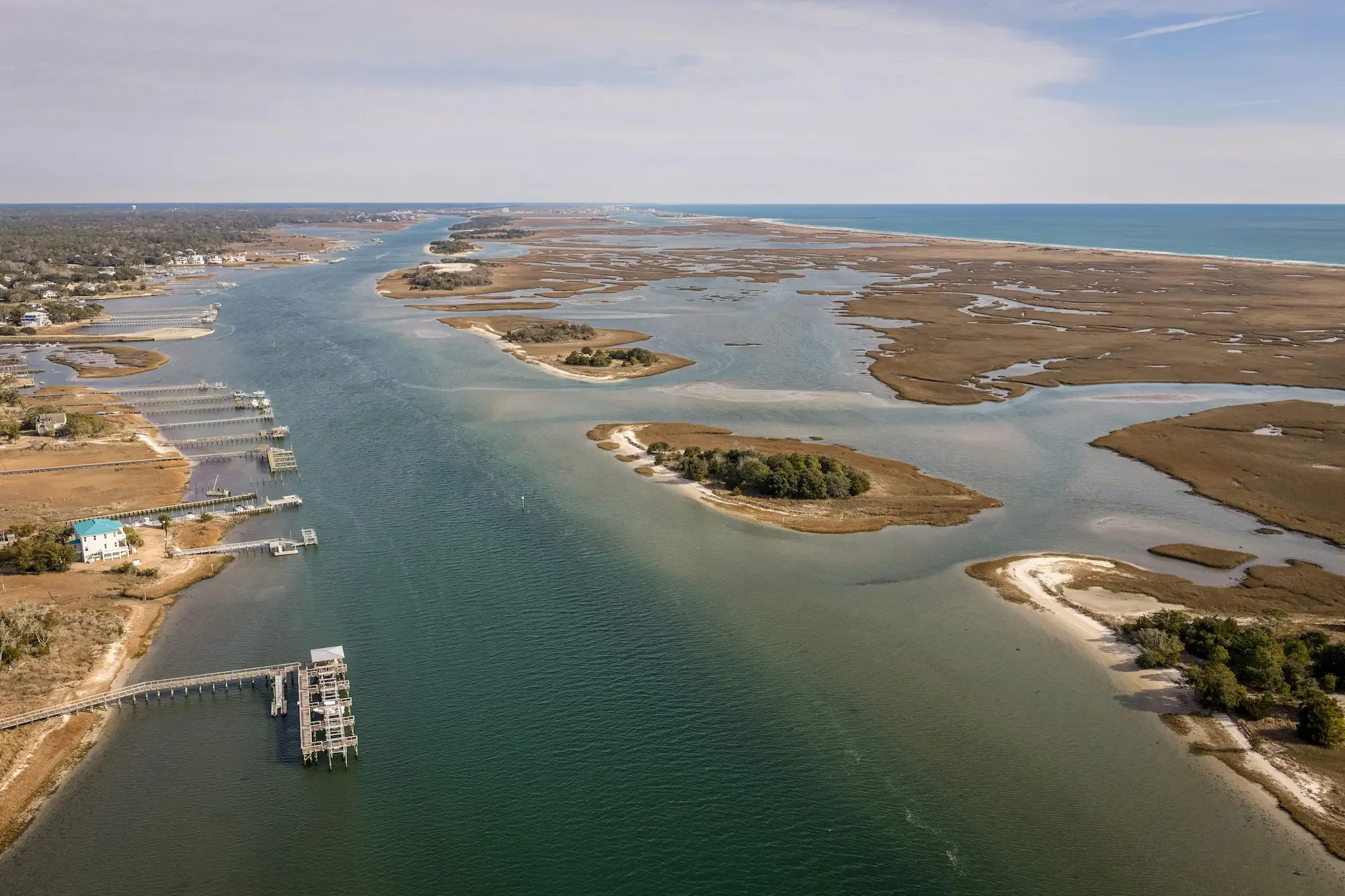
You spend days planning and planting a beautiful garden, only to have it look like someone took a salt shaker to every leaf three months later. Welcome to coastal gardening in North Carolina, where the rules are different and your inland plants just won't cut it.
Here's what most gardening blogs won't tell you: there's a massive difference between "salt-tolerant" plants that can handle being near the ocean and plants that can actually thrive when the wind off Lumina Avenue is blowing at 30 mph during a summer thunderstorm. After 15+ years installing landscapes from Carolina Beach to Figure Eight Island, we've learned exactly which plants can take the punishment, and which ones will be dead by Fourth of July.
Why "Average" Plants Die at the Beach?
Let's get real about what's actually happening to your plants. When you live this close to the ocean, you're basically asking your garden to survive in a low-key hostile environment. Here's why:
The Salt Spray Problem
When ocean mist hits your plants, salt pulls moisture out of the leaves faster than the roots can replace it. It’s basically dying of thirst even though they're getting watered. Oceanfront properties on Wrightsville Beach get direct salt spray, while sound-side locations near the Intracoastal deal with brackish water vapor that's almost as brutal.
The Wind Factor
That constant sea breeze you love? Plants hate it. The barrier islands act like a giant blow-dryer running 24/7, pulling moisture from leaves faster than roots can replace it, combined with salt spray, it's a one-two punch that kills most conventional landscaping within a season.
The Sand Situation
Wilmington's coastal soil is alkaline, fast-draining, and has about as much nutrient content as actual beach sand. Plants that thrive in Charlotte's red clay or Asheville's mountain soil can't get their roots established before the next rain washes away what little nutrition exists.
Top 5 High-Impact Trees for Coastal NC
Let's talk about the trees that actually thrive, the ones we install on properties from Kure Beach to Topsail and never get callback complaints about.
1. Live Oak (Quercus virginiana)
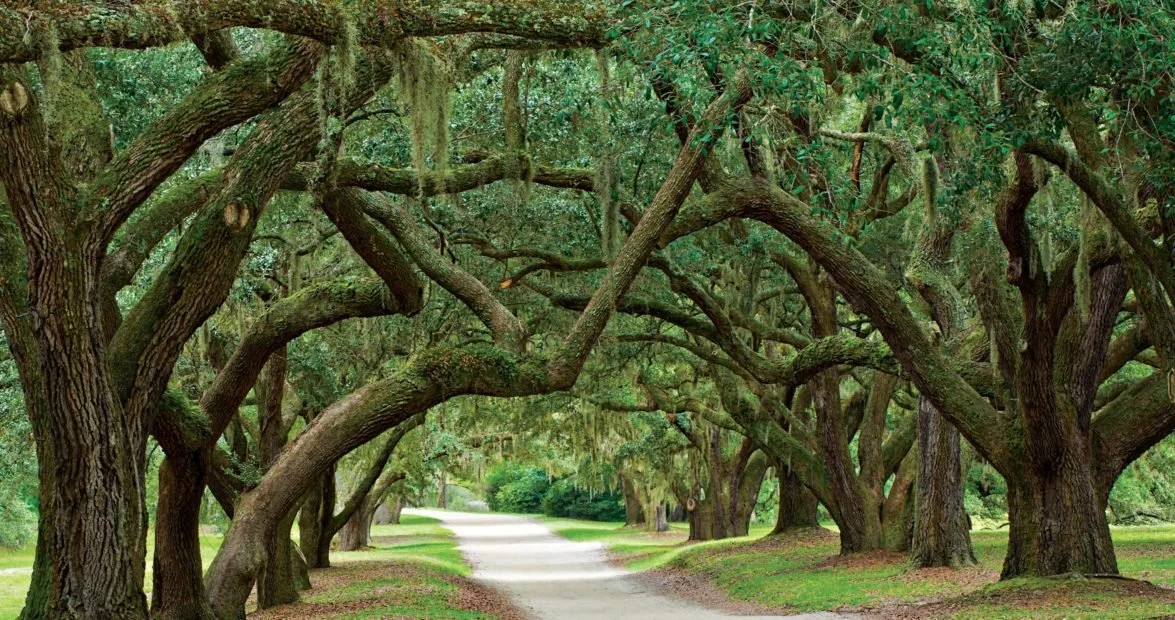
If you could only plant one tree at the beach, this is it. Live oaks are the undisputed champions of coastal North Carolina for a reason. These massive, sprawling beauties can handle direct salt spray, hurricane-force winds, and still look stunning year-round. We've seen 100-year-old live oaks on Figure Eight Island that have weathered countless storms and still provide the kind of shade and curb appeal that adds serious value to a property.
The secret? Their dense, waxy leaves shed salt naturally, and their root systems are built like anchors. During hurricane season, while other trees are losing limbs or toppling over, live oaks just flex and bounce back. Plant them with room to spread (they get wide, not just tall), and you'll have a legacy tree that your grandkids will be sitting under.
2. Sabal Palmetto (Cabbage Palm)
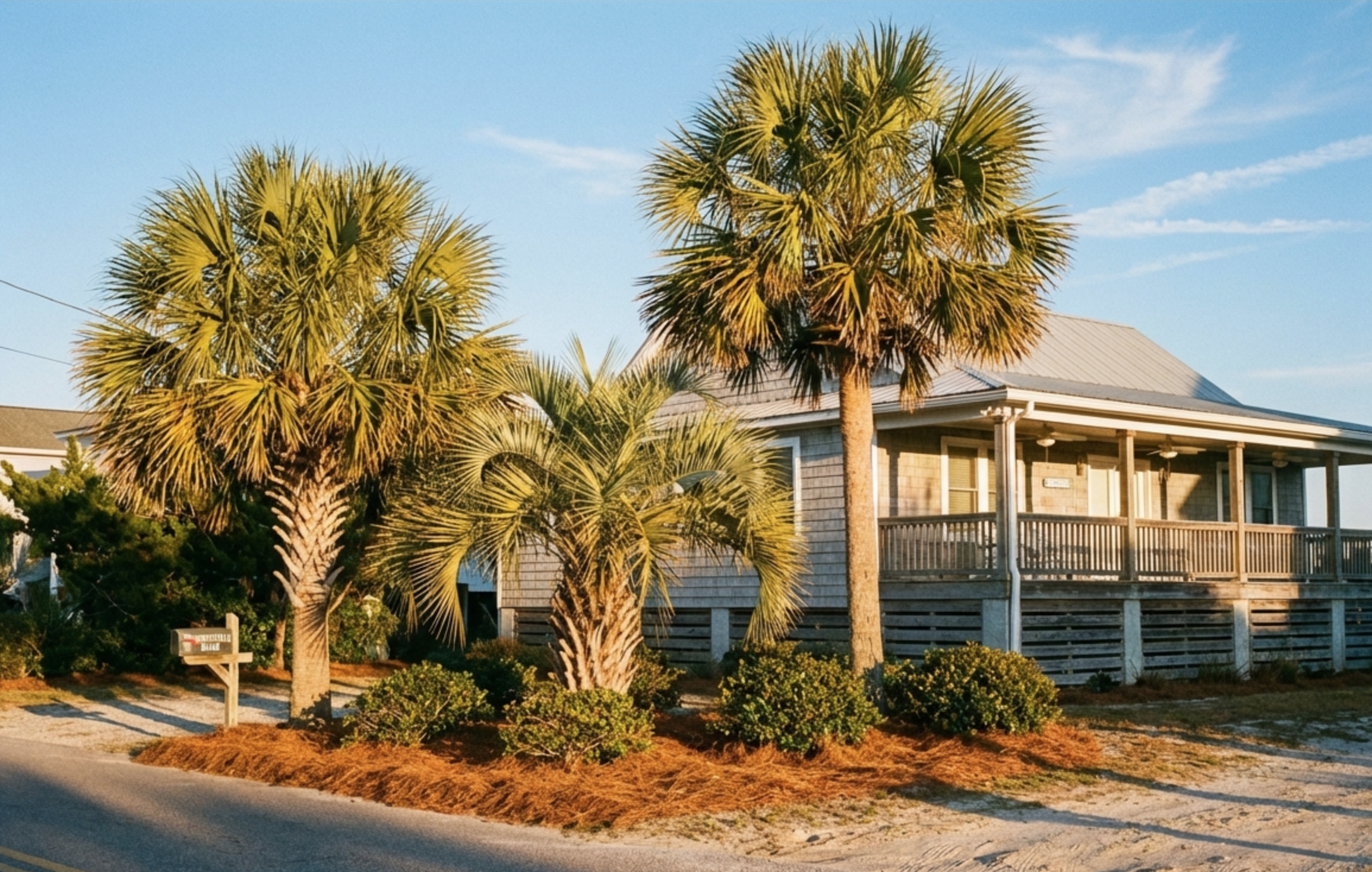
This is the 2026 trend tree for coastal luxury properties, and for good reason. Sabal palmettos give you that resort-level tropical vibe without the maintenance nightmare of most palms. They're native to South Carolina and the NC coast, which means they actually survive a Wrightsville Beach winter (yes, even those weird cold snaps we get).
They check all the boxes: salt-tolerant, wind-resistant, and they add instant "wow factor" that buyers love. Pro tip: plant them in odd-numbered groups (3 or 5) for a more natural, designer look. Just make sure they're getting enough water during establishment.
3. Eastern Red Cedar (Juniperus virginiana)
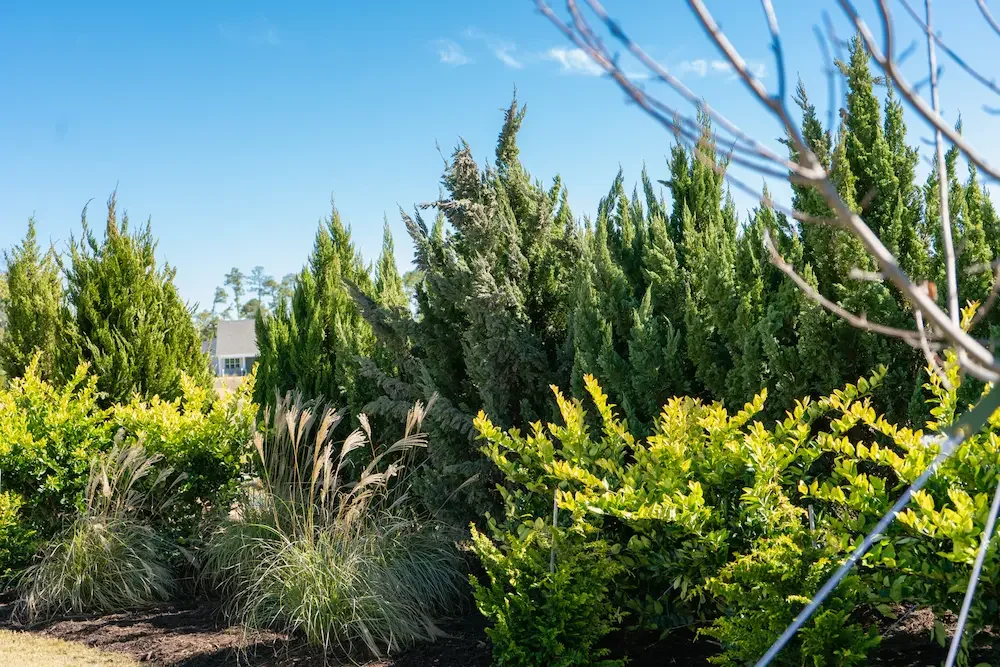
Not the prettiest tree on this list, but if you're sound-side and need a windbreak, eastern red cedar is your best friend. These evergreens act like natural fences, blocking wind and providing privacy year-round. They're incredibly hardy, drought-tolerant once established, and they actually improve over time.
We use these a lot on Intracoastal properties where the wind comes screaming across the water. Plant a row of them on your windward side, and suddenly the rest of your yard becomes a lot more hospitable for other plants. Plus, they provide habitat for birds, which your neighbors will appreciate.
4. Southern Magnolia (Magnolia grandiflora)
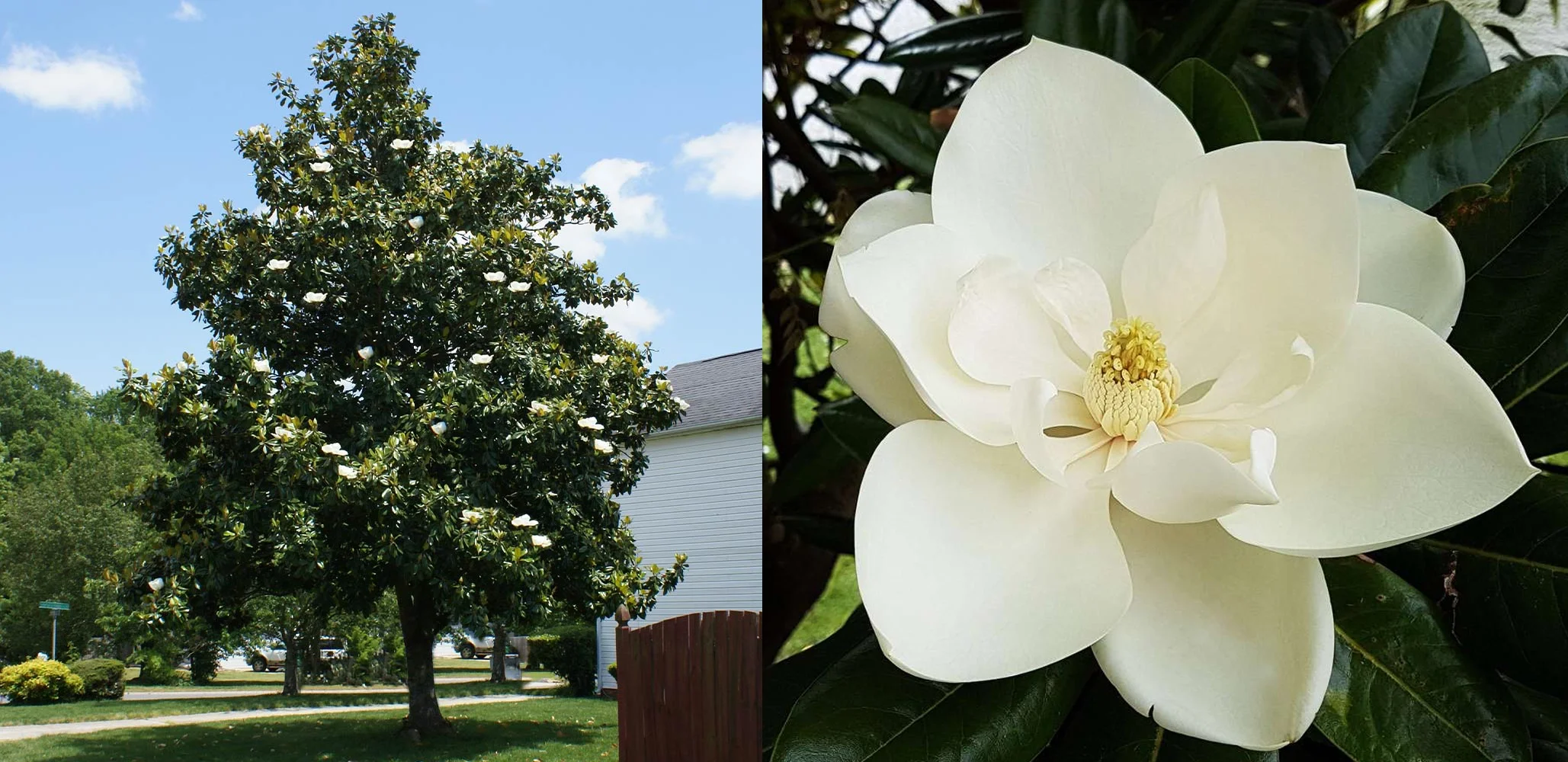
The classic Southern magnolia is beautiful but can get massive and is too big for most beach lots. That's why we recommend the 'Little Gem' or 'Kay Parris' cultivars instead. These compact versions give you the iconic glossy leaves and fragrant white blooms without taking over your entire yard.
They handle salt spray better than you'd think (not oceanfront, but definitely sound-side), and they create that elegant, old-money coastal aesthetic that never goes out of style. The thick, waxy leaves are naturally adapted to hold moisture, which helps them deal with the constant wind. Plant them as specimens or in small groups for screening.
5. Wax Myrtle (Morella cerifera)
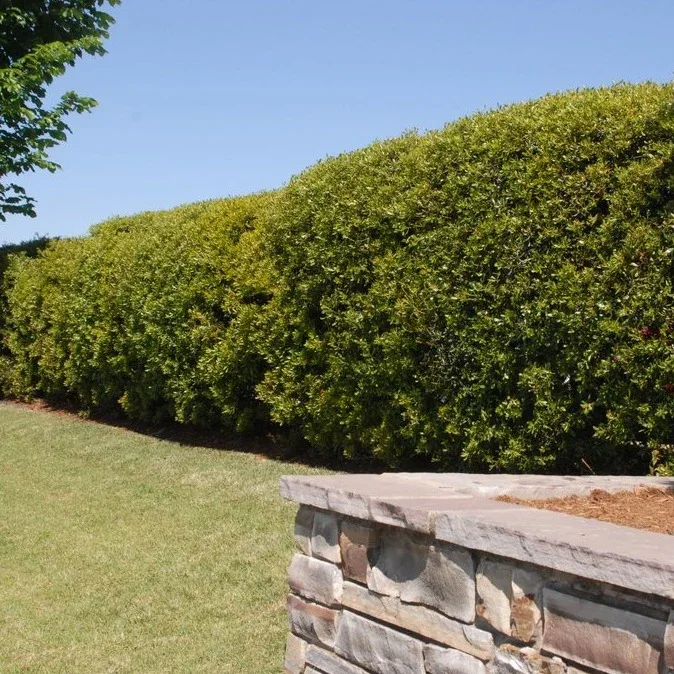
If you need privacy screening and don't want to wait 10 years, wax myrtle is the answer. This native shrub-tree hybrid grows fast, handles salt spray like a champ, and stays green year-round. It's one of the most salt-tolerant native plants we have in North Carolina.
Wax myrtle is the workhorse of coastal landscaping, not flashy, but incredibly reliable. We use it constantly for property line screening, around pool areas, and anywhere you need a dense, evergreen barrier that won't die on you. Bonus: the berries attract birds, and the aromatic leaves smell amazing when you brush against them.
Shrubs and Hedges That Love Salt Spray
Trees set the bones of your landscape, but shrubs and hedges do the heavy lifting for curb appeal and privacy. Here's what actually survives on the coasts:
Yaupon Holly (Ilex vomitoria)
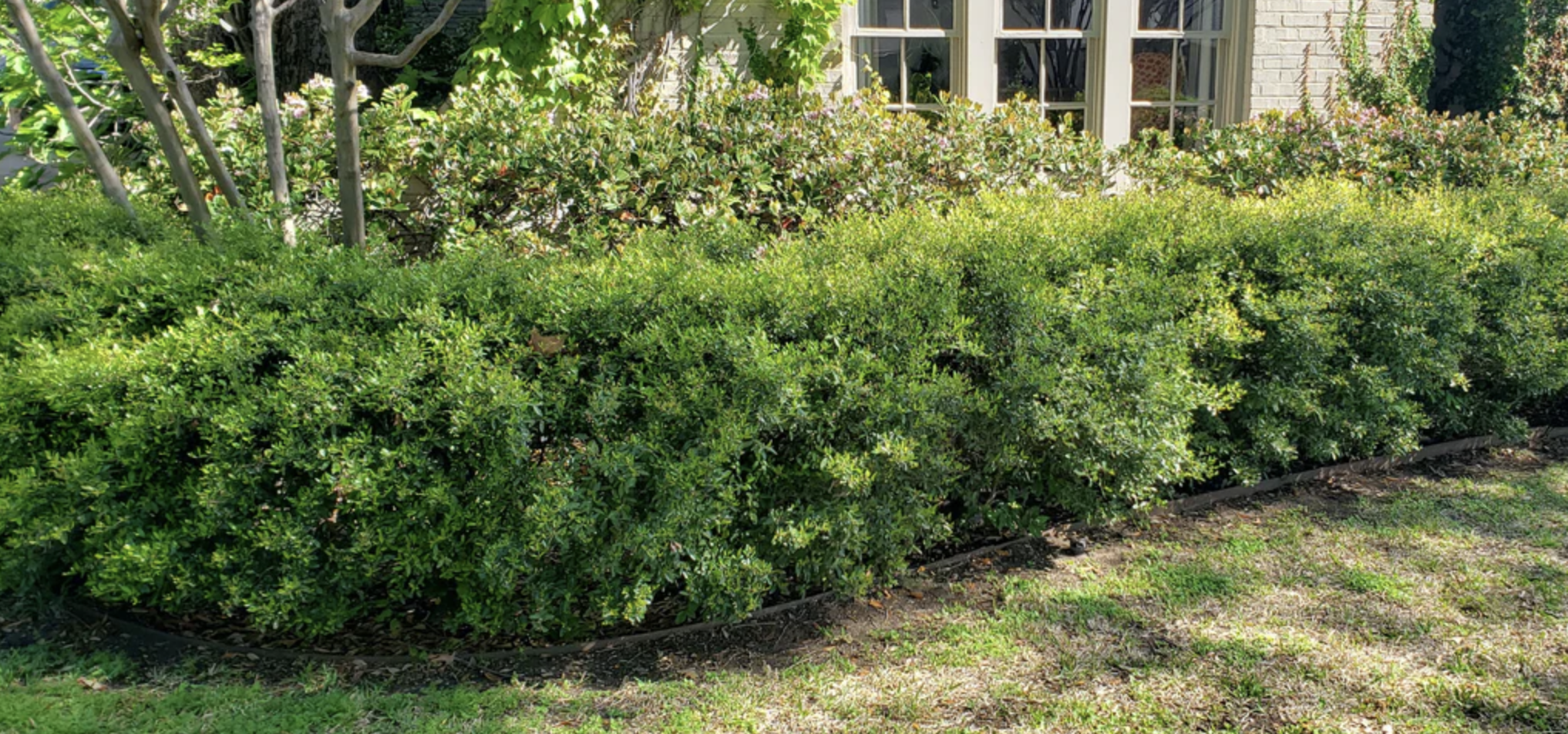
Yaupon holly is an absolute star for coastal properties. The dwarf varieties are perfect for that clean-lined, modern aesthetic that's huge in 2026. They're native, evergreen, drought-tolerant, and can handle salt spray that would murder most other hollies.
We love the 'Nana' dwarf cultivar for foundation plantings and low hedges, it stays compact naturally without needing constant shearing. Plant them in masses for a contemporary look, or use them as accents. They're nearly indestructible once established, which is exactly what you want at the beach.
Oleander (Nerium oleander)
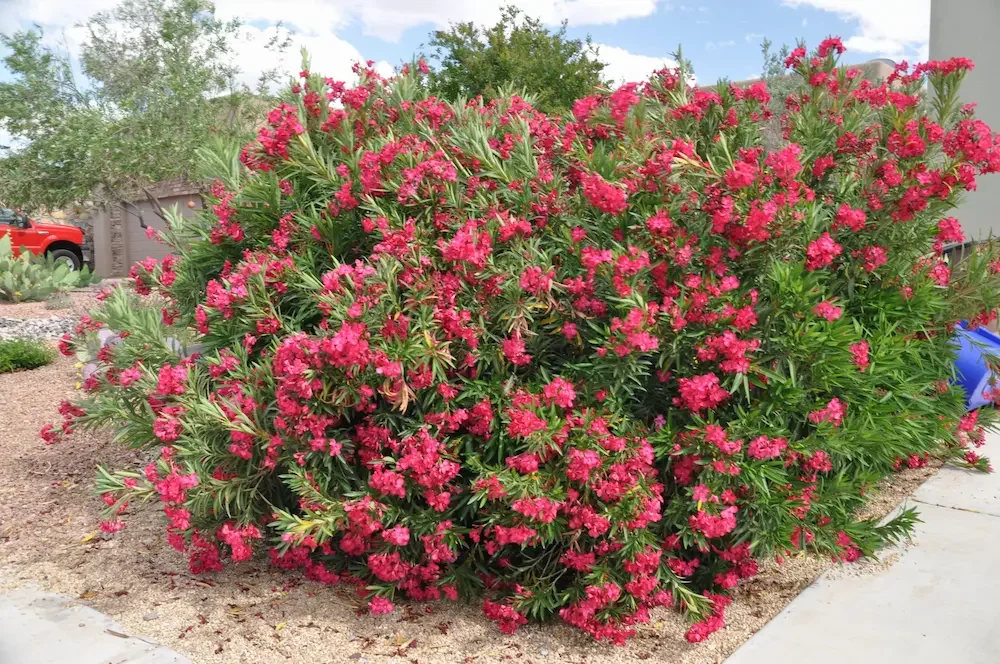
Want a "color pop" that can survive direct oceanfront conditions? Oleander delivers vibrant blooms from spring through fall, and it genuinely doesn't care about salt spray. It's one of the only flowering shrubs that can handle true beachfront exposure and still look stunning.
Important note: Oleander is toxic to pets and humans, so if you have dogs or small kids, this might not be your plant. But for properties without that concern, it's a showstopper. We're seeing a lot of white and coral varieties being used in 2026 for that sophisticated coastal resort look.
Japanese Pittosporum (Pittosporum tobira)
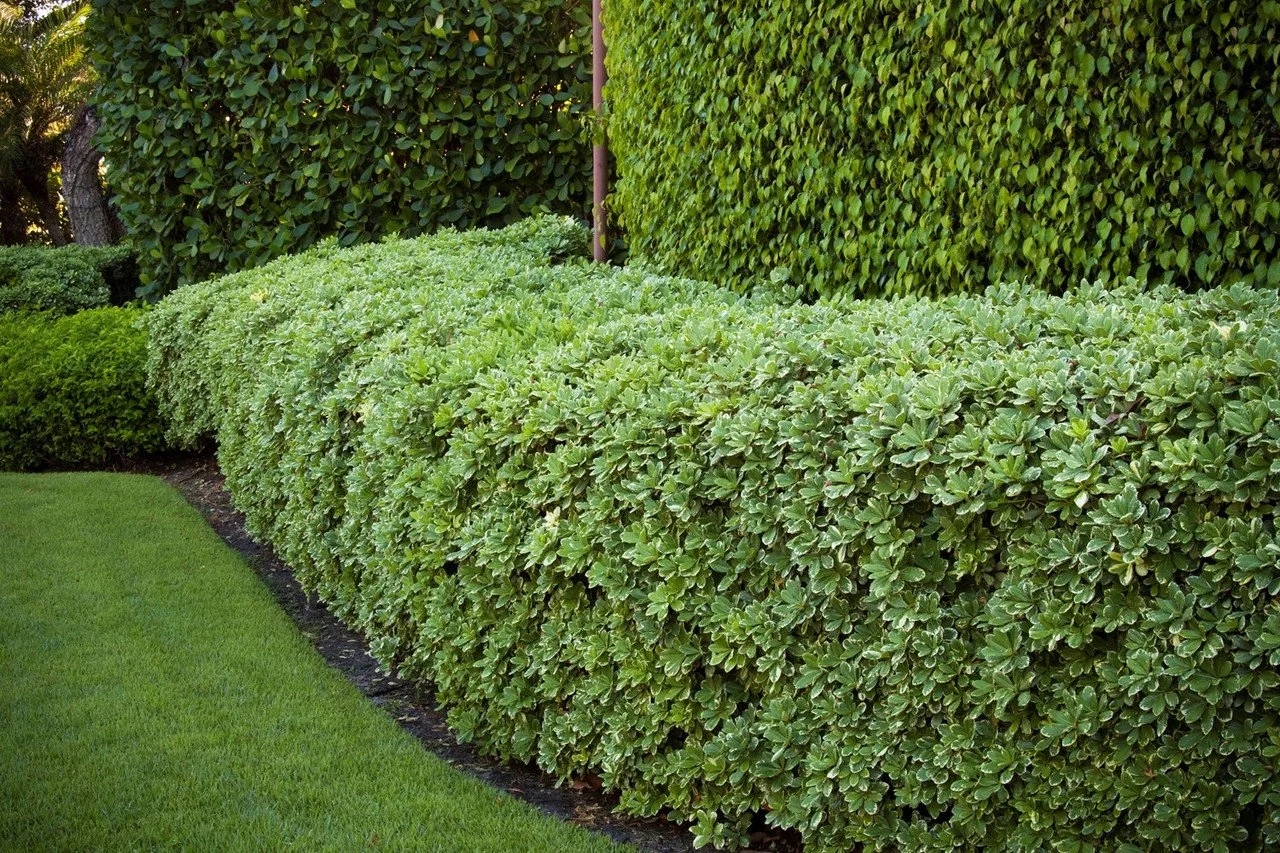
This one's a secret weapon for coastal landscapes. Japanese pittosporum has dense, glossy foliage that looks great year-round, but the real selling point is the fragrance. In spring, it produces clusters of small white flowers that smell like orange blossoms, your whole yard will smell amazing.
It's salt-tolerant, low-maintenance, and works equally well as a foundation plant, hedge, or specimen. The compact 'Wheeler's Dwarf' variety is perfect for smaller beach lots where space is premium. Homeowners always comment on the scent, which makes it worth the slightly higher price tag.
Beach Rose (Rosa rugosa)
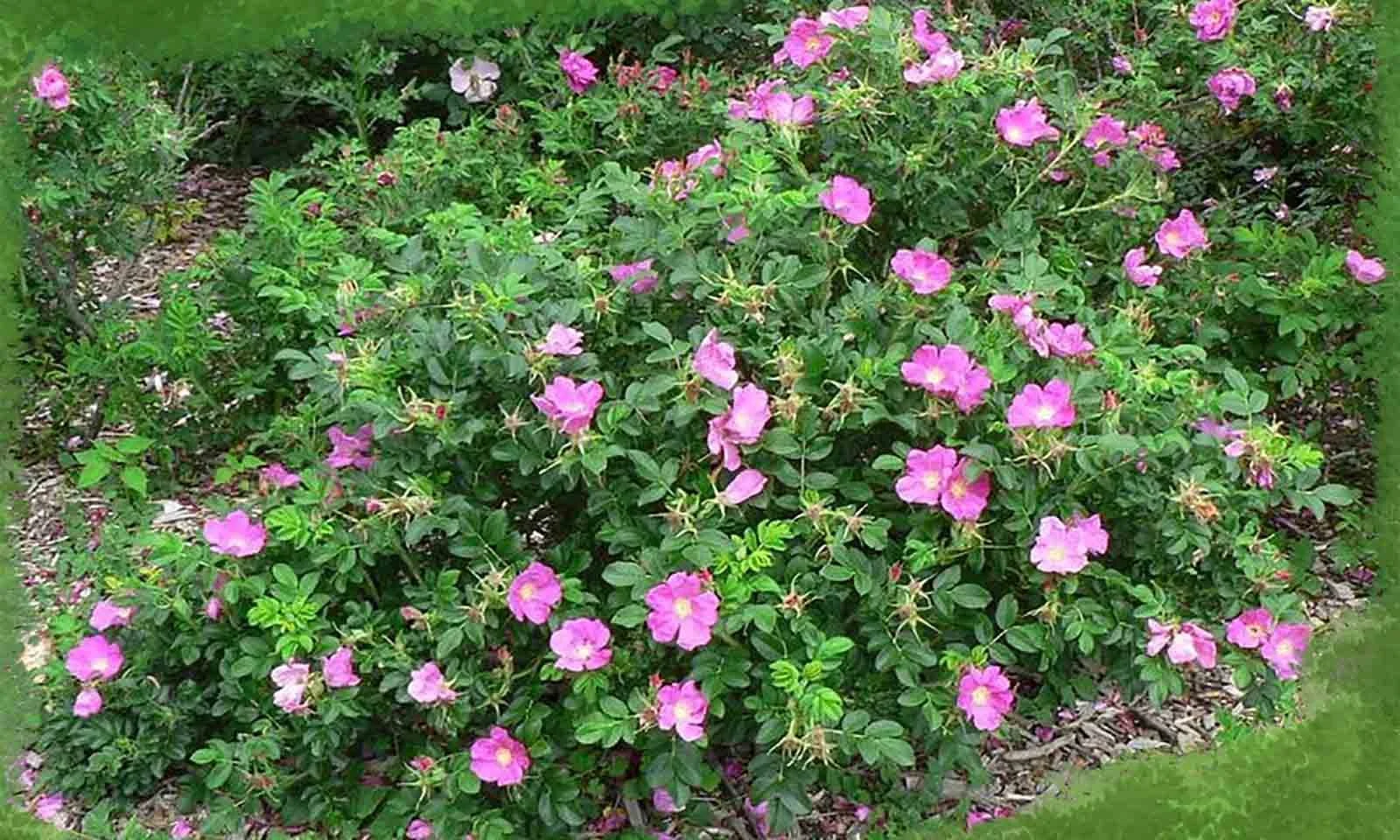
If you want a cottage garden look that can actually survive the salt, beach rose is your answer. This tough rose species has naturalized along coastlines worldwide for good reason—it thrives in sandy, salty conditions where hybrid tea roses would instantly die.
Beach roses give you big, fragrant blooms in pink or white, followed by large orange-red hips that look great in fall and winter. They spread through suckers to form dense thickets, making them excellent for erosion control on dune properties (where allowed). Just be aware they do have thorns, so plant them away from walkways.
2026 Trend: Ornamental Grasses & Groundcovers
This is where coastal landscaping gets fun. Ornamental grasses are having a major moment in high-end beach properties because they look incredible, move beautifully in the wind, and require almost zero maintenance. They're the perfect "low-effort luxury" plant.
Pink Muhly Grass (Muhlenbergia capillaris)
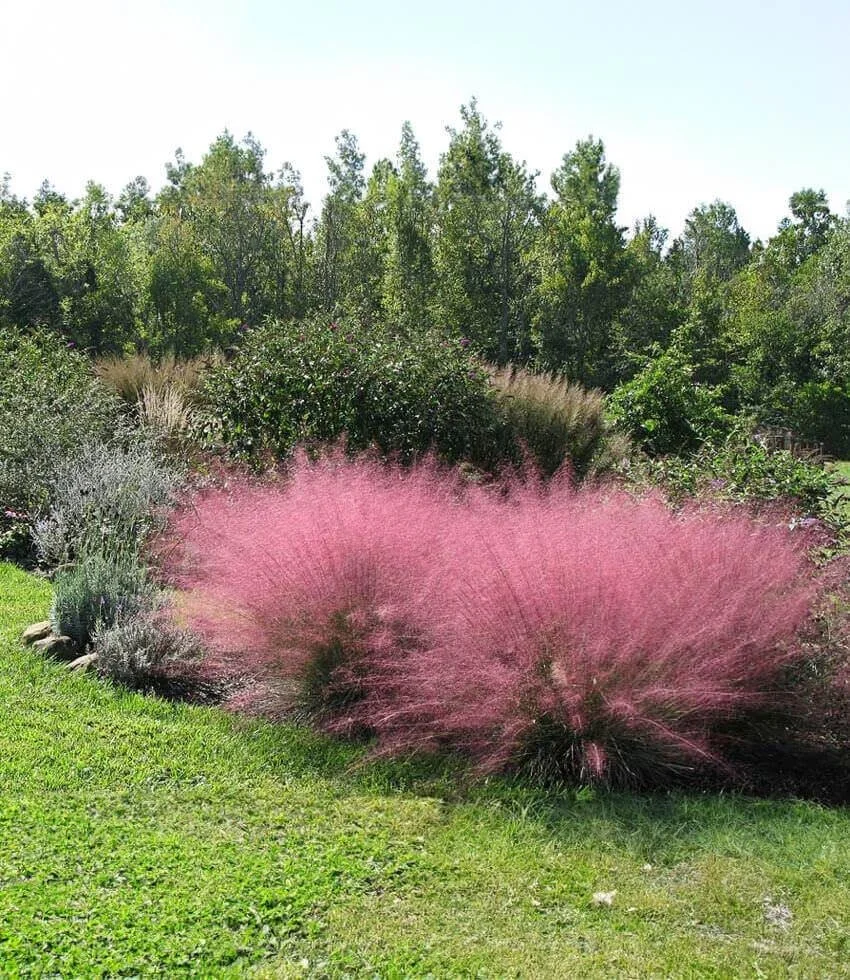
If you're not using pink muhly grass in your Wilmington landscape, you're missing out on the signature fall look for coastal NC. From September through November, these clumping grasses explode into clouds of pink-purple plumes that glow in the afternoon sun. It's absolutely stunning.
Pink muhly handles salt, sand, and heat without complaining. We're planting these in mass drifts on every high-end project because the visual impact is unmatched—it photographs beautifully and creates that "coastal modern" aesthetic buyers are willing to pay extra for. Plant them in groups of 5-7 for maximum effect.
Sea Oats (Uniola paniculata)
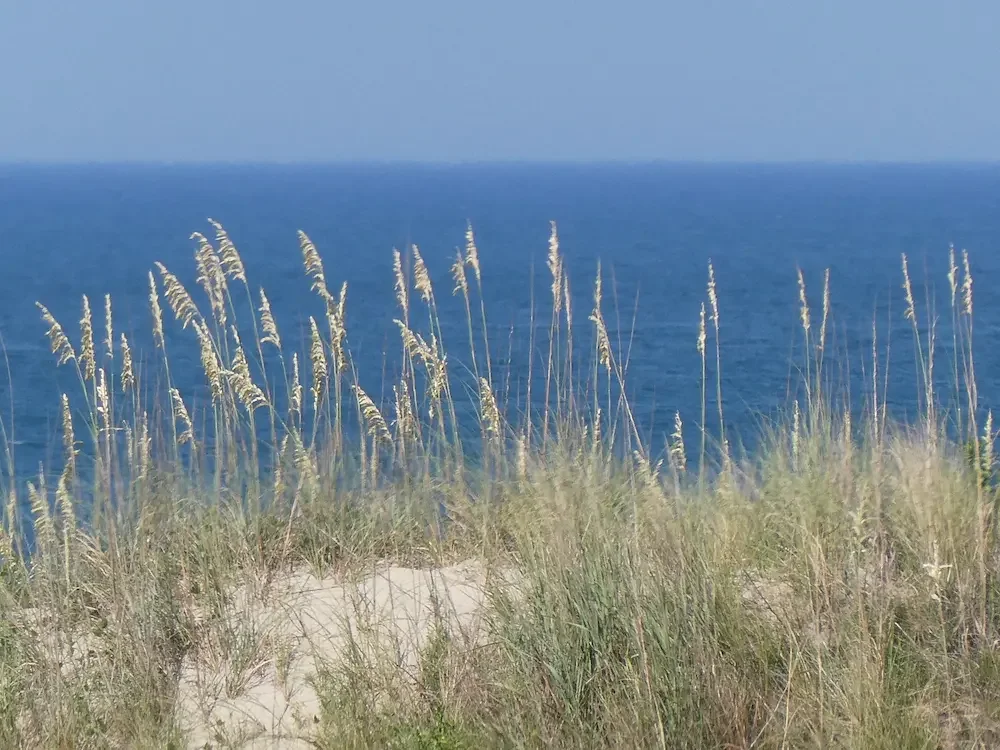
Here's something important: sea oats are protected in North Carolina, and you cannot legally harvest, transplant, or disturb them in natural dune systems. However, you can design your landscaping around existing sea oats, and if you're doing dune restoration with proper permits, you can plant nursery-grown sea oats.
We mention this because sea oats are the iconic coastal grass. Those golden, drooping seed heads you see on dunes are irreplaceable for erosion control and coastal aesthetics. If you have them on your property, consider them a feature to protect and showcase, not something to remove. Design around them with boardwalks and elevated viewing areas.
Blanket Flower (Gaillardia)
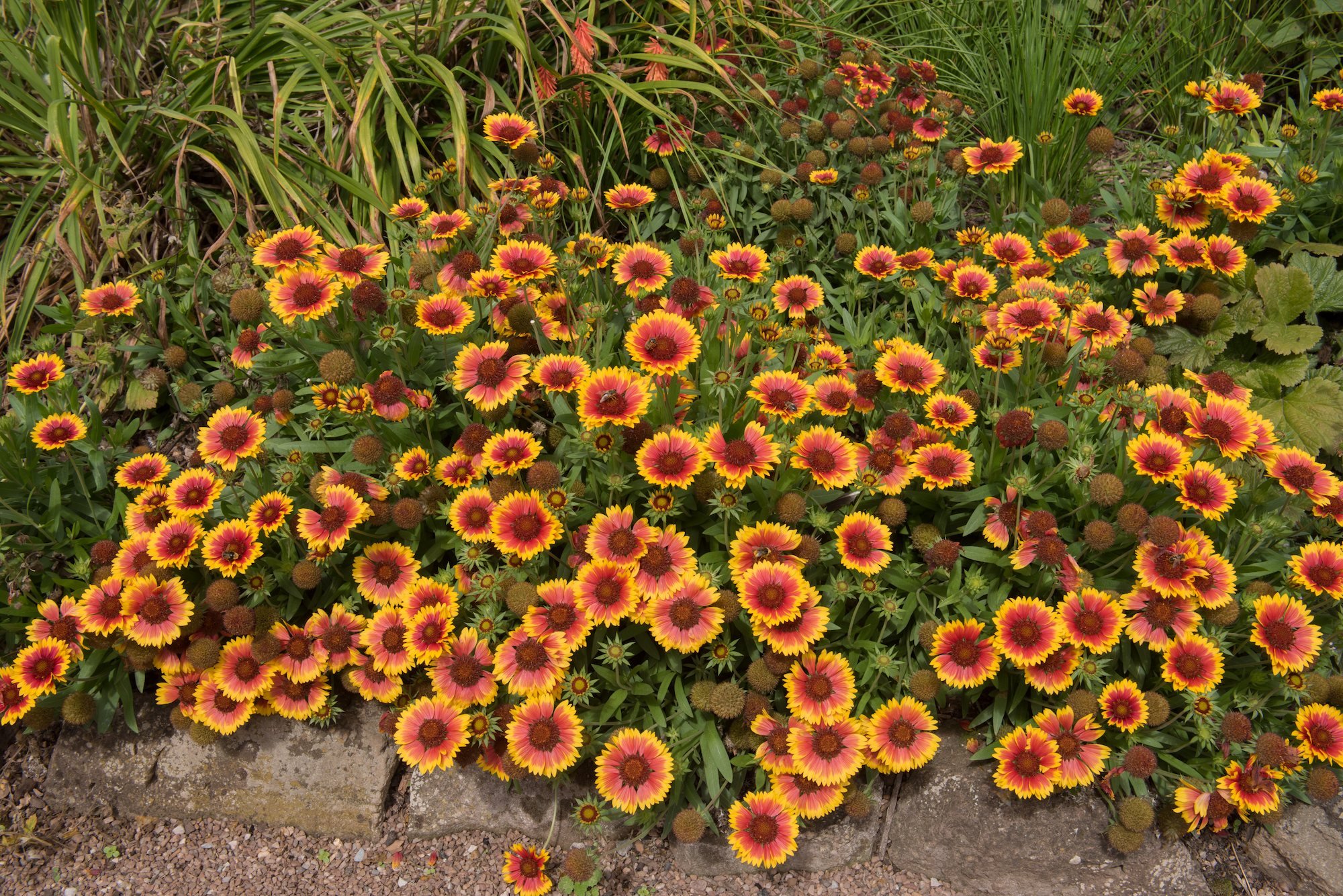
This is the ultimate "plant it and forget it" color for sandy coastal soil. Blanket flowers bloom continuously from late spring through frost with zero deadheading required. The red and yellow flowers attract butterflies like crazy, and they actually prefer the poor, sandy soil we have at the beach, over-fertilizing will kill them.
Blanket flowers are perfect for parking strips, between pavers, and anywhere you need low, tough, colorful groundcover. They reseed readily but aren't invasive, and they laugh at drought and salt spray. For the effort-to-impact ratio, you can't beat them.
Pro Tips for Maintenance on the Islands
Even tough coastal plants need some help, especially after storms. Here's what we've learned actually works on barrier island properties:
The Freshwater Rinse Secret
After a major storm with significant salt spray (basically anything with sustained winds over 40 mph), give your plants a thorough rinse with fresh water from your hose. This simple step washes off accumulated salt before it can cause damage. Focus on the leaves and new growth.
It's especially important for plants that are salt-tolerant but not salt-loving, even tough plants appreciate a freshwater shower after getting blasted.
The Pine Straw Strategy
Here's a tip most coastal landscapers won't share: pine straw is significantly better than wood mulch for beach properties. Why? Three reasons:
It drains better, preventing root rot in sandy soil during heavy rains
It doesn't float away during flooding like lightweight wood mulch
It's lighter and won't compact the soil as much
We install 3-4 inches of longleaf pine straw on many coastal projects. It looks natural, breaks down slowly, and actually helps acidify the soil slightly (which most coastal plants prefer). Refresh it once a year in spring, and you're good.
Irrigation Reality Check
Sandy coastal soil drains incredibly fast, water just runs right through it. This means your irrigation system needs to be different from an inland landscape. We typically design coastal systems to run shorter cycles more frequently rather than long, deep soaks. Think 10-15 minutes multiple times per week, rather than 30 minutes once a week.
And during establishment (first year), even "drought-tolerant" plants need consistent water. Salt-tolerant doesn't mean the plant doesn't need water, it just means it can handle salt. Big difference.
Consult a Local Expert
You can absolutely DIY your coastal landscape if you want to spend the next three years replacing dead plants and wondering why nothing looks like the pictures online. Or you can work with people who've been installing landscapes on these islands for over 15 years.
We know which plants thrive on Lumina Avenue versus Harbor Island. We know how to detail drainage in sand. We know what permit requirements exist for dune properties. Most importantly, we know what will still look great in five years when you're trying to sell.
Don't waste another season on plants that aren't built for the coast. Our Wilmington team specializes in resilient, luxury design for Carolina Beach, Kure Beach, Wrightsville Beach, and everywhere in between. Whether you're building new construction, renovating a beach cottage, or just tired of replacing dead azaleas, we can create a landscape that actually works with the coastal environment instead of fighting it.
Ready to create a landscape that survives and thrives at the beach? Contact our Wilmington team for a free design consultation.